

Culture and faith
The Bouar megaliths
More than seventy sites near Bouar have standing stones up to three metres tall. They may be around 5,000 years old, but little is known of the people who raised them.
- Where
- Bouar
Megaliths and river kingdoms, French concession companies and forced labour, then coups, Bokassa's short-lived empire and conflicts between armed groups that have never fully ended.
Independent from France since 13 August 1960
The Bouar megaliths, c. 3000 BC. Image: uncredited · Public domain, via Wikimedia Commons
Chapter I
Story 1 of 18 · Early peoples
Culture and faith
More than seventy sites near Bouar have standing stones up to three metres tall. They may be around 5,000 years old, but little is known of the people who raised them.
About 2,500 years later
c. 3000 BC to c. 500 BC

Story 2 of 18 · Early peoples
People and rights
Bantu-speaking farmers spread out from an original home around the highlands between Cameroon and Nigeria. By about 500 BC the western stream had reached central Angola and the eastern stream had reached west of Lake Victoria.
About 2,200 years later
c. 500 BC to 18th century

Story 3 of 18 · Early peoples
People and rights
The Azande people took shape through military conquest in the first half of the 18th century, in the savanna along the Uele and the south-east of today's Central African Republic. They now live there, in the DR Congo and in South Sudan.
About 190 years later
18th century to 1889
Chapter II

Story 4 of 18 · French Ubangi-Shari
States and rulers
A French post on the Ubangi river grew into the colonial capital, and later into the capital of an independent country.

Story 5 of 18 · French Ubangi-Shari
States and rulers
France handed much of the colony to concession companies, which forced villagers to collect rubber and ivory. Hunger and killing followed.

Story 6 of 18 · French Ubangi-Shari
States and rulers
France grouped Chad, Gabon, Middle Congo and Ubangi-Shari under one governor-general at Brazzaville.

Story 7 of 18 · French Ubangi-Shari
War and conflict
The prophet Karnou led a mass rising against forced labour on the Congo-Ocean railway and on the concessions. France crushed it with great loss of life.

Story 8 of 18 · French Ubangi-Shari
States and rulers
A former priest founded a movement for the rights of Africans and led the territory towards self-rule. He died in a plane crash in 1959.
Chapter III

Story 9 of 18 · Independent Central African Republic
States and rulers
Boganda's cousin became the first president of the new republic.

Story 10 of 18 · Independent Central African Republic
States and rulers
Army chief Jean-Bédel Bokassa overthrew his cousin Dacko on New Year's Eve and ruled alone for thirteen years.

Story 11 of 18 · Independent Central African Republic
States and rulers
Bokassa crowned himself Napoleon-style Emperor in a lavish ceremony in 1977 that cost a large share of the national budget.

Story 12 of 18 · Independent Central African Republic
States and rulers
After reports that the emperor had children killed, France flew in paratroopers, deposed him and restored Dacko.
Story 13 of 18 · Independent Central African Republic
States and rulers
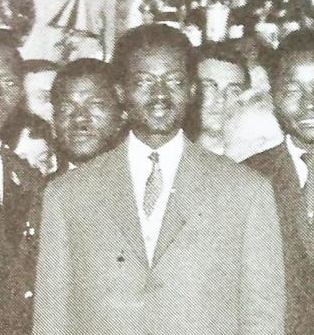
Ange-Félix Patassé won the first multi-party election, ending twelve years of military rule.
Story 14 of 18 · Independent Central African Republic
States and rulers
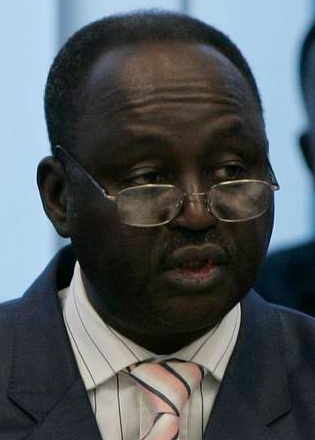
General François Bozizé took the capital while Patassé was abroad, after years of mutinies and rebellion.

Story 15 of 18 · Independent Central African Republic
War and conflict
Séléka rebels and Christian anti-balaka militias fought and killed civilians on both sides. Peace deals have been signed, but armed groups still hold much of the country.

Story 16 of 18 · Independent Central African Republic
States and rulers
A coalition of mostly Muslim rebel groups overran the capital and installed Michel Djotodia, whose rule collapsed into mass violence.

Story 17 of 18 · Independent Central African Republic
States and rulers
A mathematics professor won the first election after the war. His government relies on UN peacekeepers and Russian paramilitaries.
Story 18 of 18 · Independent Central African Republic
States and rulers
Voters approved a new constitution that allows President Touadéra to stand for a third term. Opponents boycotted.
Journey complete
18 stories, c. 3000 BC to present. More events are being researched and added.
Culture and faith
More than seventy sites near Bouar have standing stones up to three metres tall. They may be around 5,000 years old, but little is known of the people who raised them.

People and rights
Bantu-speaking farmers spread out from an original home around the highlands between Cameroon and Nigeria. By about 500 BC the western stream had reached central Angola and the eastern stream had reached west of Lake Victoria.
Farming, pottery and iron probably helped them move into new lands.
People and rights
The Azande people took shape through military conquest in the first half of the 18th century, in the savanna along the Uele and the south-east of today's Central African Republic. They now live there, in the DR Congo and in South Sudan.

States and rulers
A French post on the Ubangi river grew into the colonial capital, and later into the capital of an independent country.

States and rulers
France handed much of the colony to concession companies, which forced villagers to collect rubber and ivory. Hunger and killing followed.

States and rulers
France grouped Chad, Gabon, Middle Congo and Ubangi-Shari under one governor-general at Brazzaville.

War and conflict
The prophet Karnou led a mass rising against forced labour on the Congo-Ocean railway and on the concessions. France crushed it with great loss of life.

States and rulers
A former priest founded a movement for the rights of Africans and led the territory towards self-rule. He died in a plane crash in 1959.
He is honoured as the founding father.
States and rulers
Boganda's cousin became the first president of the new republic.

States and rulers
Army chief Jean-Bédel Bokassa overthrew his cousin Dacko on New Year's Eve and ruled alone for thirteen years.

States and rulers
Bokassa crowned himself Napoleon-style Emperor in a lavish ceremony in 1977 that cost a large share of the national budget.

States and rulers
After reports that the emperor had children killed, France flew in paratroopers, deposed him and restored Dacko.
States and rulers
Ange-Félix Patassé won the first multi-party election, ending twelve years of military rule.
States and rulers
General François Bozizé took the capital while Patassé was abroad, after years of mutinies and rebellion.

War and conflict
Séléka rebels and Christian anti-balaka militias fought and killed civilians on both sides. Peace deals have been signed, but armed groups still hold much of the country.

States and rulers
A coalition of mostly Muslim rebel groups overran the capital and installed Michel Djotodia, whose rule collapsed into mass violence.

States and rulers
A mathematics professor won the first election after the war. His government relies on UN peacekeepers and Russian paramilitaries.
States and rulers
Voters approved a new constitution that allows President Touadéra to stand for a third term. Opponents boycotted.