

Culture and faith
The Muisca and El Dorado
The Muisca of the Andes were skilled goldsmiths. A ceremony in which a chief covered himself in gold dust gave rise to the legend of El Dorado.
- Lasted
- About 740 years
- Where
- Bogotá savanna
Muisca gold and the legend of El Dorado, Cartagena, Bolívar's Gran Colombia, a century of civil wars, La Violencia, drug cartels, and the peace agreement of 2016.
Independent from Spain since 20 July 1810
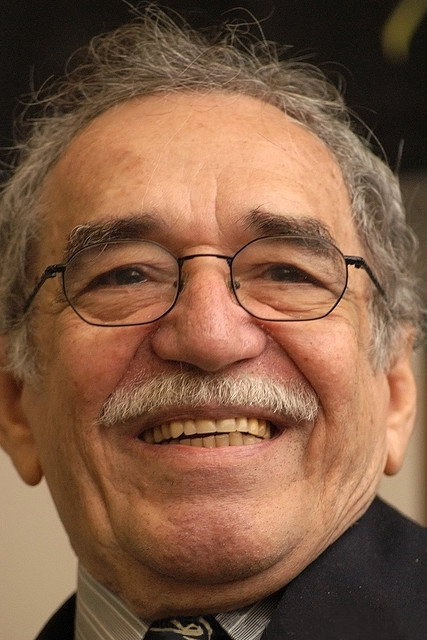
García Márquez wins the Nobel Prize, 1982. Image: Jose Lara · CC BY-SA 2.0, via Wikimedia Commons
Chapter I

Story 1 of 19 · Indigenous peoples
Culture and faith
The Muisca of the Andes were skilled goldsmiths. A ceremony in which a chief covered himself in gold dust gave rise to the legend of El Dorado.
About 640 years later
c. 800 to c. 1438

Story 2 of 19 · Indigenous peoples
States and rulers
After beating the Chancas, Pachacuti turned Cusco's small state into an empire that eventually ran from Colombia to Chile.
Chapter II

Story 3 of 19 · Spanish New Granada
States and rulers
The Spanish founded a port that became the main gateway of Spanish South America and was fortified against pirates.
About 180 years later
1533 to 1717

Story 4 of 19 · Spanish New Granada
States and rulers
Spain made Bogotá the capital of a viceroyalty that included Colombia, Panama, Venezuela and Ecuador.

Story 5 of 19 · Spanish New Granada
War and conflict
Tens of thousands rose against new taxes and marched on Bogotá. The leaders were executed.

Story 6 of 19 · Spanish New Granada
States and rulers
A quarrel over a flower vase in Bogotá led to the declaration of the colony's independence.
Chapter III

Story 7 of 19 · Republic of Colombia
War and conflict
Bolívar's army surprised and defeated the Spanish royalist army, which freed New Granada.

Story 8 of 19 · Republic of Colombia
States and rulers
Bolívar's republic joined Colombia, Venezuela and Ecuador. It fell apart by 1831.

Story 9 of 19 · Republic of Colombia
War and conflict
The Liberals and Conservatives fought a civil war which killed about 100,000 people.
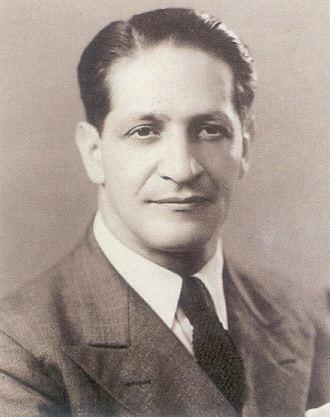
Story 10 of 19 · Republic of Colombia
War and conflict
The assassination of the popular politician Gaitán set off riots in Bogotá that began the era of La Violencia.
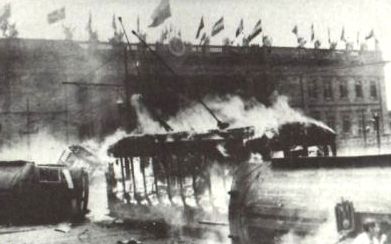
Story 11 of 19 · Republic of Colombia
War and conflict
Conservatives and Liberals killed each other in rural violence, with about 200,000 dead.

Story 12 of 19 · Republic of Colombia
War and conflict
Guerrillas, paramilitaries and the state fought for decades. More than 200,000 people have died and millions were displaced.
Story 13 of 19 · Republic of Colombia
Culture and faith
The author of One Hundred Years of Solitude won the Nobel Prize for Literature.

Story 14 of 19 · Republic of Colombia
War and conflict
M-19 guerrillas seized the Supreme Court. The army's assault left over 90 dead.

Story 15 of 19 · Republic of Colombia
States and rulers
A constituent assembly gave Colombia a new constitution with strong human rights protections.

Story 16 of 19 · Republic of Colombia
War and conflict
The head of the Medellín cartel, who had waged a campaign of bombing and killing, was shot dead on a roof.

Story 17 of 19 · Republic of Colombia
States and rulers
The government and the FARC signed a final deal after voters had rejected an earlier version.

Story 18 of 19 · Republic of Colombia
States and rulers
A former guerrilla became Colombia's first left-wing president.

Story 19 of 19 · Republic of Colombia
States and rulers
Abelardo de la Espriella narrowly beat the leftist Iván Cepeda in the run-off, after the term of Gustavo Petro, the country's first leftist president. He was due to be inaugurated on 7 August.
Journey complete
19 stories, c. 800 to present. More events are being researched and added.
Culture and faith
The Muisca of the Andes were skilled goldsmiths. A ceremony in which a chief covered himself in gold dust gave rise to the legend of El Dorado.

States and rulers
After beating the Chancas, Pachacuti turned Cusco's small state into an empire that eventually ran from Colombia to Chile.

States and rulers
The Spanish founded a port that became the main gateway of Spanish South America and was fortified against pirates.

States and rulers
Spain made Bogotá the capital of a viceroyalty that included Colombia, Panama, Venezuela and Ecuador.

War and conflict
Tens of thousands rose against new taxes and marched on Bogotá. The leaders were executed.

States and rulers
A quarrel over a flower vase in Bogotá led to the declaration of the colony's independence.

War and conflict
Bolívar's army surprised and defeated the Spanish royalist army, which freed New Granada.

States and rulers
Bolívar's republic joined Colombia, Venezuela and Ecuador. It fell apart by 1831.

War and conflict
The Liberals and Conservatives fought a civil war which killed about 100,000 people.
War and conflict
The assassination of the popular politician Gaitán set off riots in Bogotá that began the era of La Violencia.
War and conflict
Conservatives and Liberals killed each other in rural violence, with about 200,000 dead.
War and conflict
Guerrillas, paramilitaries and the state fought for decades. More than 200,000 people have died and millions were displaced.
Culture and faith
The author of One Hundred Years of Solitude won the Nobel Prize for Literature.

War and conflict
M-19 guerrillas seized the Supreme Court. The army's assault left over 90 dead.

States and rulers
A constituent assembly gave Colombia a new constitution with strong human rights protections.

War and conflict
The head of the Medellín cartel, who had waged a campaign of bombing and killing, was shot dead on a roof.

States and rulers
The government and the FARC signed a final deal after voters had rejected an earlier version.

States and rulers
A former guerrilla became Colombia's first left-wing president.

States and rulers
Abelardo de la Espriella narrowly beat the leftist Iván Cepeda in the run-off, after the term of Gustavo Petro, the country's first leftist president. He was due to be inaugurated on 7 August.