

Culture and faith
The Acahualinca footprints
People walking in volcanic mud near Lake Managua left tracks that hardened to stone, thousands of years ago.
- Where
- Managua

Chorotega and Nahua peoples, the colonial cities of León and Granada, William Walker, Sandino, the Somoza dynasty, the Sandinista revolution and Contra war, and Ortega's return.
Independent from Spain since 15 September 1821
The Acahualinca footprints, c. 4000 BC. Image: Dr d12 at English Wikipedia ( Original text: Dr d12 ) · CC BY-SA 3.0, via Wikimedia Commons
Chapter I

Story 1 of 22 · First peoples
Culture and faith
People walking in volcanic mud near Lake Managua left tracks that hardened to stone, thousands of years ago.
About 2,500 years later
c. 4000 BC to c. 1500 BC
About 2,300 years later
c. 1500 BC to c. 800

Story 3 of 22 · First peoples
Culture and faith
The Chorotega, who spoke an Oto-Manguean language, moved south from Mexico to the Pacific side of Nicaragua and Costa Rica, probably between 800 and 1350. They were still there when the Spanish came.
About 400 years later
c. 800 to c. 1200

Story 4 of 22 · First peoples
Culture and faith
The Nicarao, speakers of a Nahuatl language, settled around Lake Nicaragua from Mexico. Nicaragua is thought to be named after their chief Nicarao.
About 300 years later
c. 1200 to 1502

Story 5 of 22 · First peoples
States and rulers
Columbus reached the Bay Islands and the mainland on his fourth voyage and held a Mass on the mainland coast.
Chapter II

Story 6 of 22 · Spanish Nicaragua
States and rulers
Hernández de Córdoba founded Granada on the shore of Lake Nicaragua.

Story 7 of 22 · Spanish Nicaragua
States and rulers
Spain set up a viceroy in Mexico City to rule its lands in North America, the Caribbean and the Philippines.
About 290 years later
1535 to 1821
Chapter III

Story 8 of 22 · Independent Nicaragua
States and rulers
Spain's Central American provinces declared independence from Spain, and Costa Rica heard weeks later.

Story 9 of 22 · Independent Nicaragua
States and rulers
After independence, the army officer Agustín de Iturbide had himself proclaimed emperor. Generals forced him to abdicate within a year.

Story 10 of 22 · Independent Nicaragua
States and rulers
Five states federated, but conflicts between liberals and conservatives broke it up.

Story 11 of 22 · Independent Nicaragua
War and conflict
Costa Ricans marched north to defeat an American adventurer who had made himself president of Nicaragua.

Story 12 of 22 · Independent Nicaragua
States and rulers
An American adventurer took Nicaragua with a private army and had himself declared president. Central American armies drove him out.

Story 13 of 22 · Independent Nicaragua
States and rulers
US marines intervened and occupied Nicaragua on and off for two decades.

Story 14 of 22 · Independent Nicaragua
War and conflict
Augusto César Sandino fought the US Marines until they left. He was murdered in 1934 by the National Guard.
Story 15 of 22 · Independent Nicaragua
States and rulers
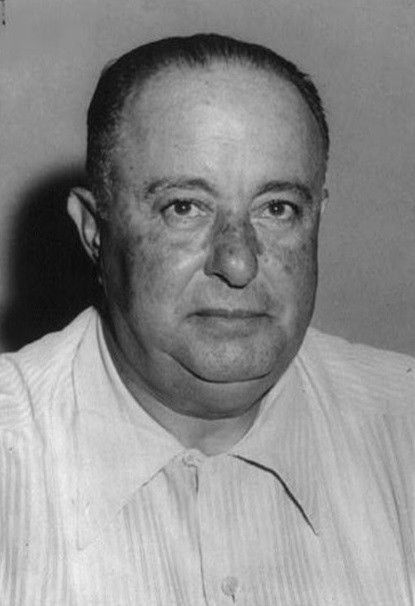
The Somoza family ruled Nicaragua for 43 years and amassed huge wealth.

Story 16 of 22 · Independent Nicaragua
Disasters and epidemics
The earthquake destroyed Managua and killed about 10,000 people. The Somoza regime stole aid.

Story 17 of 22 · Independent Nicaragua
States and rulers
The Sandinistas overthrew Somoza after a civil war and began a socialist government.

Story 18 of 22 · Independent Nicaragua
War and conflict
The US backed Contra rebels against the Sandinista government. Tens of thousands were killed.

Story 19 of 22 · Independent Nicaragua
States and rulers
The Sandinistas lost the election and handed over power peacefully.

Story 20 of 22 · Independent Nicaragua
Disasters and epidemics
The storm dumped rain on Honduras for days, killed about 7,000 and destroyed much of the infrastructure.

Story 21 of 22 · Independent Nicaragua
States and rulers
Daniel Ortega won the election and has since consolidated power.

Story 22 of 22 · Independent Nicaragua
War and conflict
Protests against pension changes turned into a national uprising. The government's crackdown killed over 300 people.
Journey complete
22 stories, c. 4000 BC to 2018. More events are being researched and added.
Culture and faith
People walking in volcanic mud near Lake Managua left tracks that hardened to stone, thousands of years ago.
Culture and faith
Ometepe, the island of two volcanoes in Lake Nicaragua, has been lived on since at least 1500 BC. Its many stone statues, pots and rock carvings suggest it was an important ceremonial centre.

Culture and faith
The Chorotega, who spoke an Oto-Manguean language, moved south from Mexico to the Pacific side of Nicaragua and Costa Rica, probably between 800 and 1350. They were still there when the Spanish came.

Culture and faith
The Nicarao, speakers of a Nahuatl language, settled around Lake Nicaragua from Mexico. Nicaragua is thought to be named after their chief Nicarao.

States and rulers
Columbus reached the Bay Islands and the mainland on his fourth voyage and held a Mass on the mainland coast.

States and rulers
Hernández de Córdoba founded Granada on the shore of Lake Nicaragua.

States and rulers
Spain set up a viceroy in Mexico City to rule its lands in North America, the Caribbean and the Philippines.

States and rulers
Spain's Central American provinces declared independence from Spain, and Costa Rica heard weeks later.

States and rulers
After independence, the army officer Agustín de Iturbide had himself proclaimed emperor. Generals forced him to abdicate within a year.
A republic followed.

States and rulers
Five states federated, but conflicts between liberals and conservatives broke it up.

War and conflict
Costa Ricans marched north to defeat an American adventurer who had made himself president of Nicaragua.
States and rulers
An American adventurer took Nicaragua with a private army and had himself declared president. Central American armies drove him out.

States and rulers
US marines intervened and occupied Nicaragua on and off for two decades.

War and conflict
Augusto César Sandino fought the US Marines until they left. He was murdered in 1934 by the National Guard.
States and rulers
The Somoza family ruled Nicaragua for 43 years and amassed huge wealth.
Disasters and epidemics
The earthquake destroyed Managua and killed about 10,000 people. The Somoza regime stole aid.

States and rulers
The Sandinistas overthrew Somoza after a civil war and began a socialist government.

War and conflict
The US backed Contra rebels against the Sandinista government. Tens of thousands were killed.

States and rulers
The Sandinistas lost the election and handed over power peacefully.

Disasters and epidemics
The storm dumped rain on Honduras for days, killed about 7,000 and destroyed much of the infrastructure.

States and rulers
Daniel Ortega won the election and has since consolidated power.

War and conflict
Protests against pension changes turned into a national uprising. The government's crackdown killed over 300 people.