All journeys

The world map

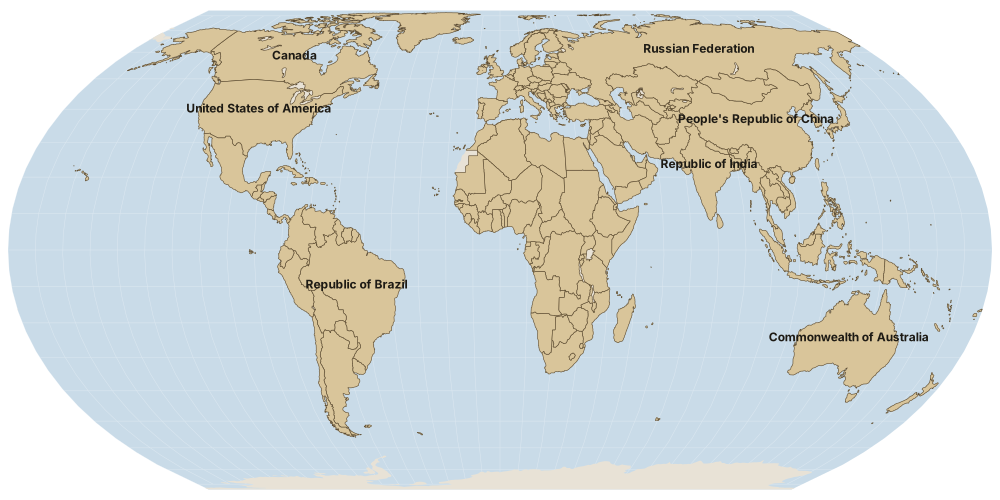
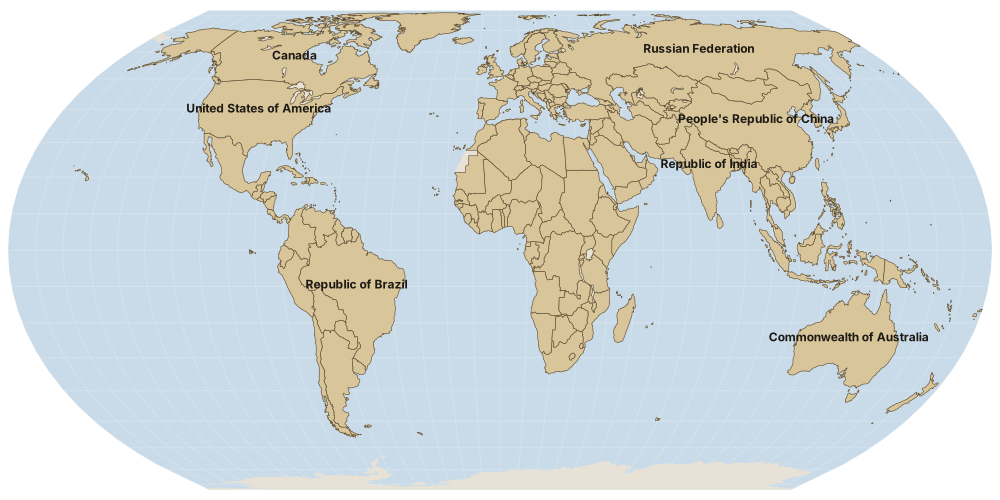
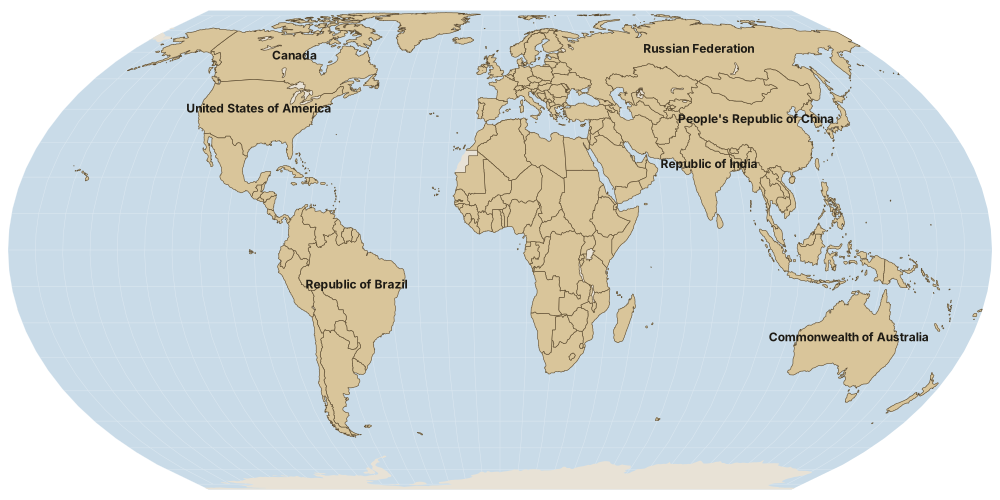
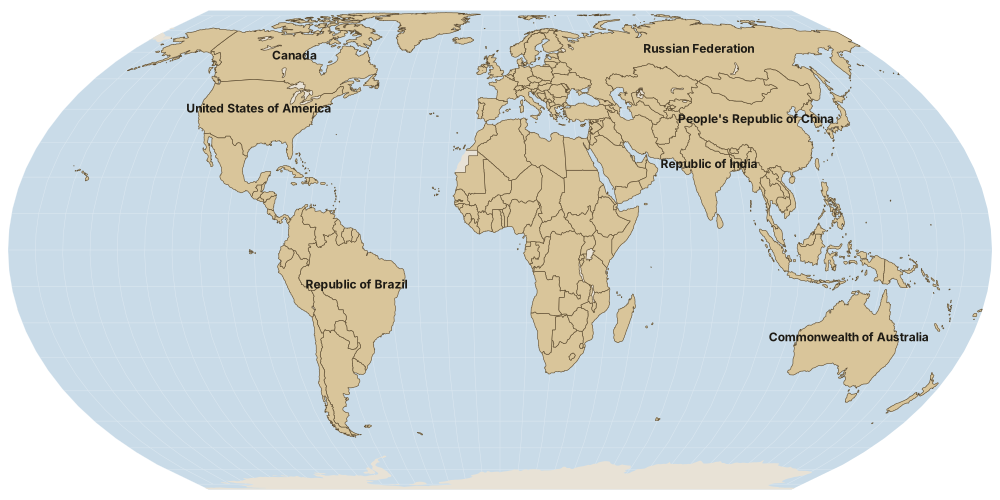
From a handful of river-valley states to the 190 countries of today: travel through the centuries and watch empires spread, break apart and give way to nations.

Stories
104
Distance
5,223 years
Route
3200 BC to 2024
  1. The first states16 stories
  2. The classical empires23 stories
  3. Caliphates, khans and kingdoms23 stories
  4. Global empires23 stories
  5. A world of nations19 stories
Begin the journey
  1. Chapter I

    The first states

    16 stories in this chapter

  2. Story 1 of 104 · The first states

    Middle East and Central Asia

    The first cities

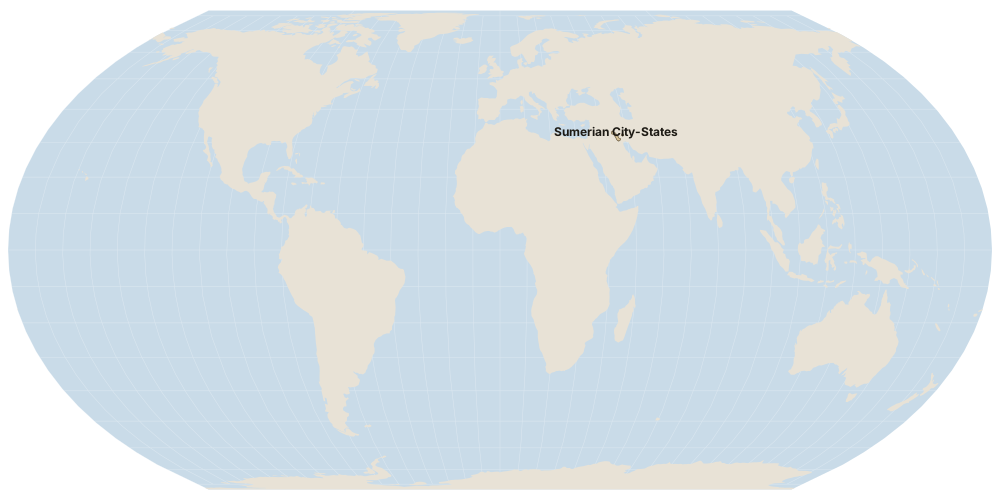
    Uruk in southern Mesopotamia is one of the largest cities in the world, and writing is taking shape on clay tablets. Egypt is still split into rival chiefdoms.

    Next story3000 BC · The first states
  3. 200 years later

    3200 BC to 3000 BC

  4. Story 2 of 104 · The first states

    Middle East and Central Asia

    The first states

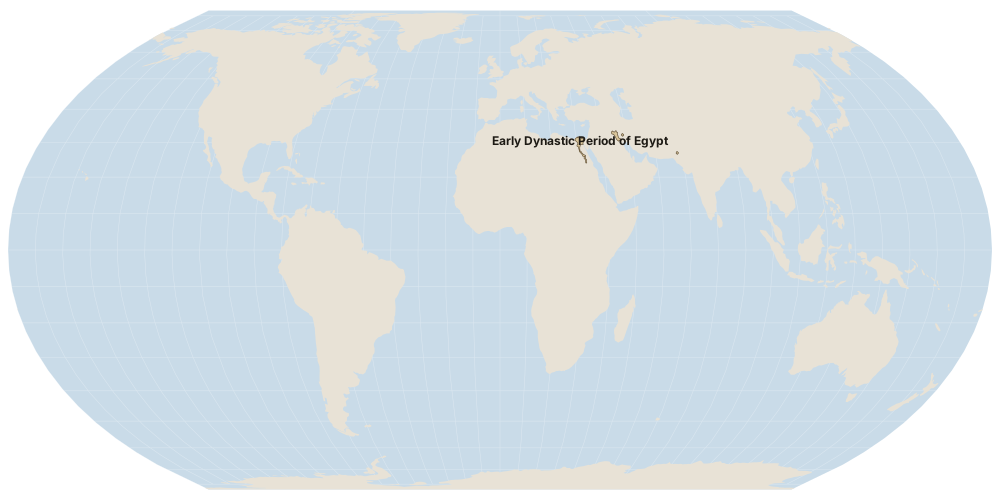
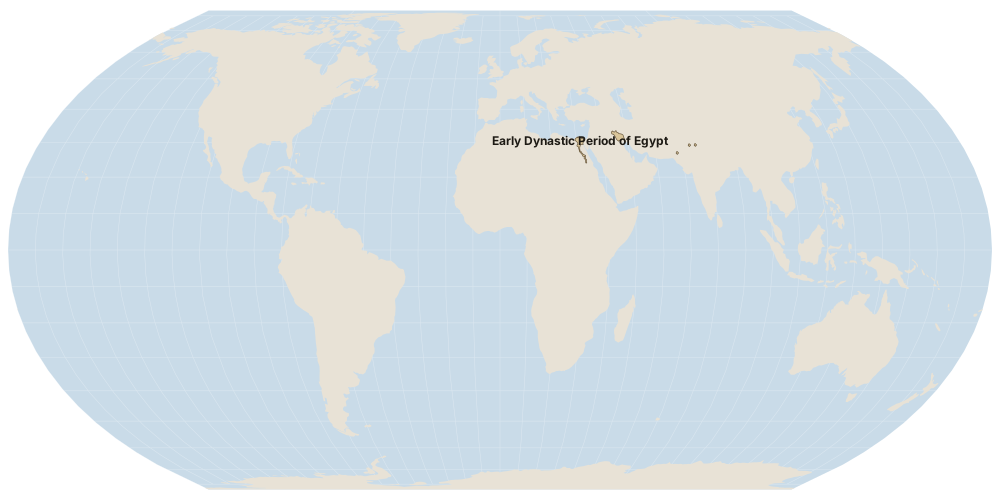
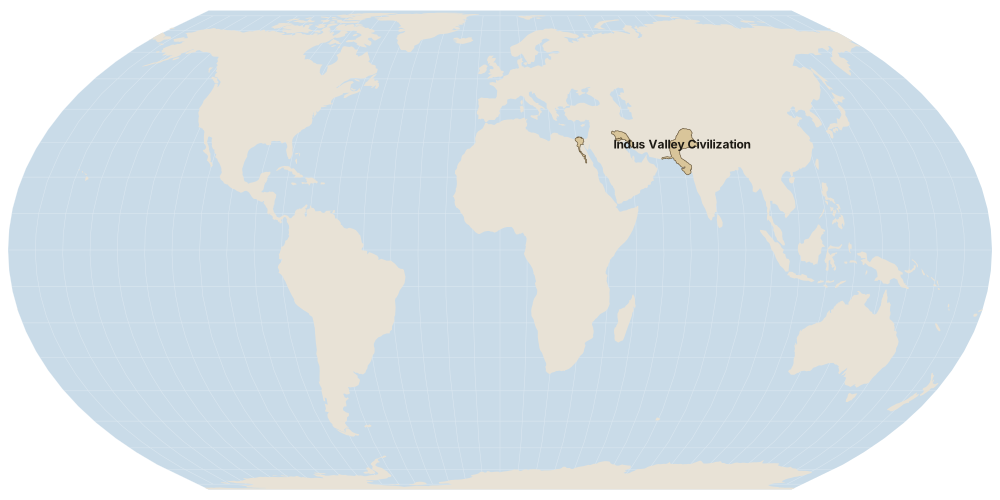
    Only a handful of states exist: Egypt newly united along the Nile, the city-states of Sumer, Elam, and the cities of the Indus valley. Almost all the world's people live outside any state.

    Next story2600 BC · Egypt's pyramid age
  5. 400 years later

    3000 BC to 2600 BC

  6. Story 3 of 104 · The first states

    Africa

    Egypt's pyramid age

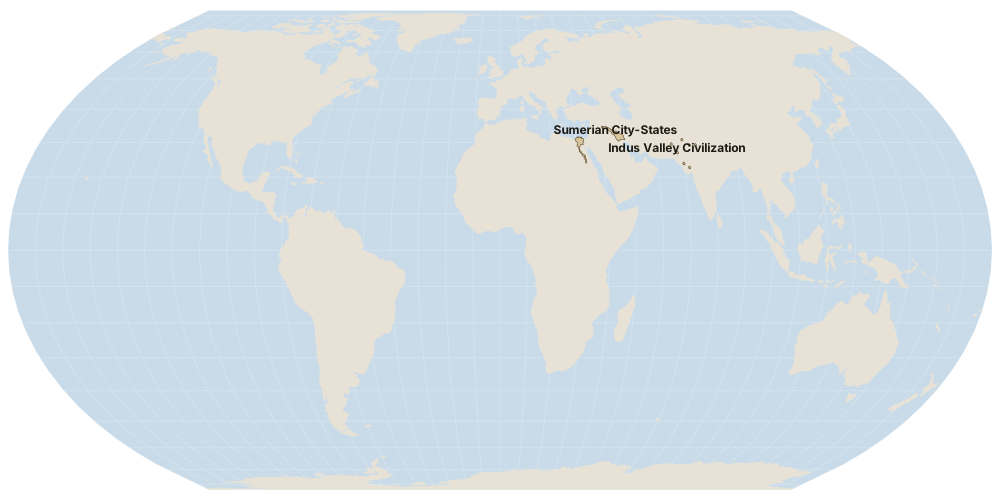
    Egypt's Old Kingdom is at its height, and the great pyramids at Giza are being built. Sumerian city-states and the Indus cities are also flourishing.

    Next story2500 BC · Sumer's city-states
  7. Story 4 of 104 · The first states

    Middle East and Central Asia

    Sumer's city-states

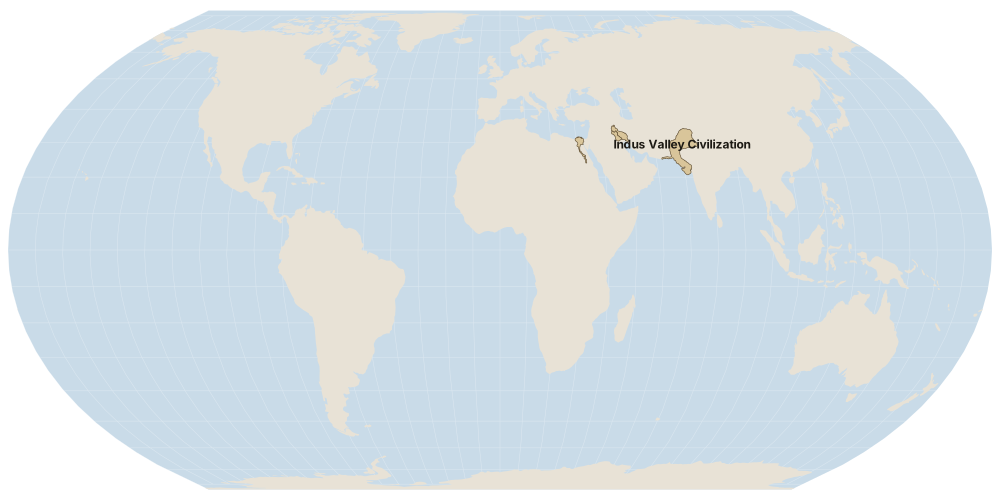
    Egypt's Old Kingdom is building its great pyramids along the Nile. Sumer's city-states such as Ur and Lagash are at their height, and the cities of the Indus valley are growing into a civilization of their own.

    Next story2300 BC · The Akkadian Empire
  8. 200 years later

    2500 BC to 2300 BC

  9. Story 5 of 104 · The first states

    Middle East and Central Asia

    The Akkadian Empire

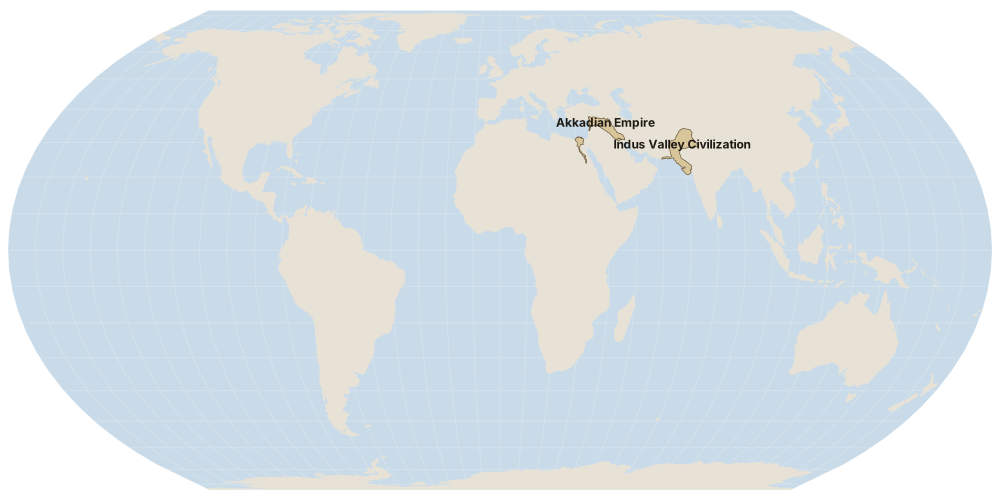
    Sargon of Akkad has united the Sumerian city-states into the first empire in history, stretching from the Persian Gulf into Anatolia.

    Next story2100 BC · Ur's revival
  10. 200 years later

    2300 BC to 2100 BC

  11. Story 6 of 104 · The first states

    Middle East and Central Asia

    Ur's revival

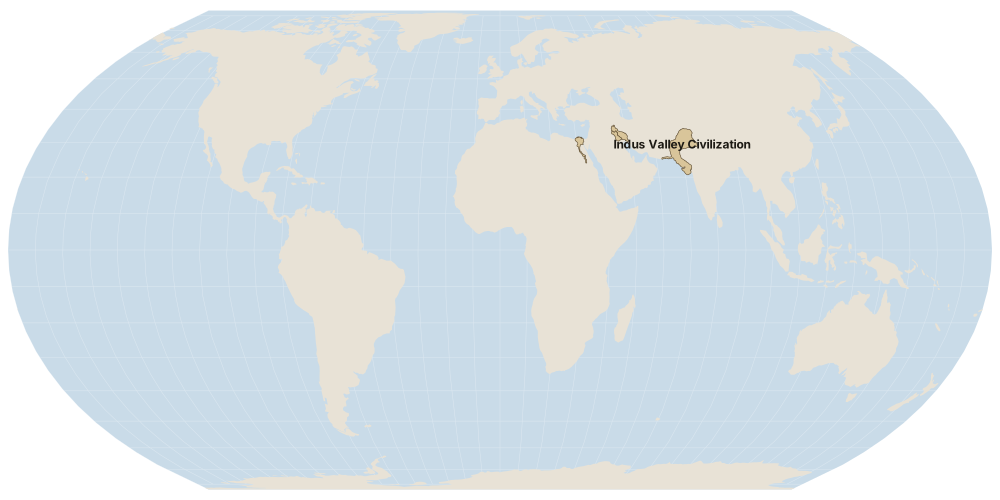
    The Third Dynasty of Ur rules Mesopotamia from its capital, and Egypt's Middle Kingdom is being rebuilt after a period of crisis.

    Next story2000 BC · River-valley civilizations
  12. Story 7 of 104 · The first states

    South and Southeast Asia

    River-valley civilizations

    The Indus valley cities are at their height, Egypt is reunited in its Middle Kingdom, and Sumerian cities still dominate southern Mesopotamia.

    Next story1900 BC · Egypt reunited
  13. Story 8 of 104 · The first states

    Africa

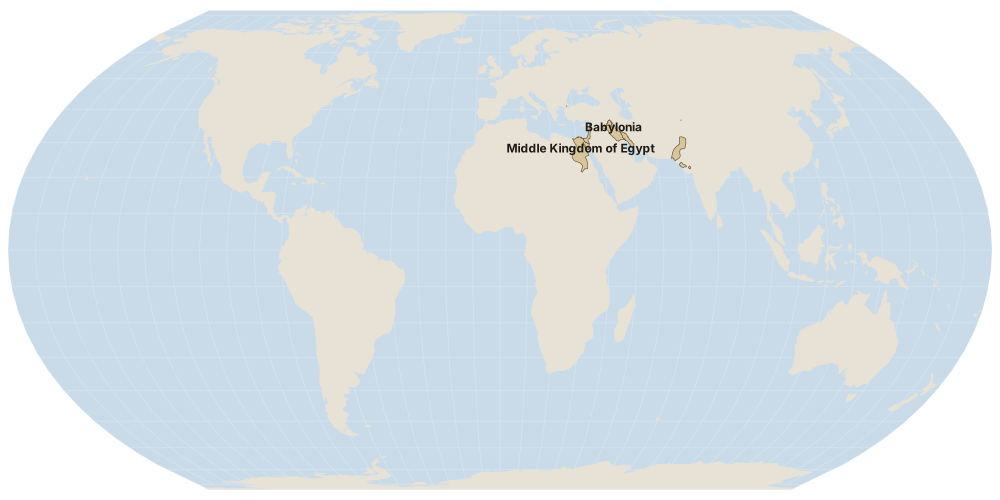
    Egypt reunited

    Egypt's Middle Kingdom is in its prime, and Assyria and Babylon are emerging as city-states in Mesopotamia.

    Next story1750 BC · Hammurabi's Babylon
  14. 150 years later

    1900 BC to 1750 BC

  15. Story 9 of 104 · The first states

    Middle East and Central Asia

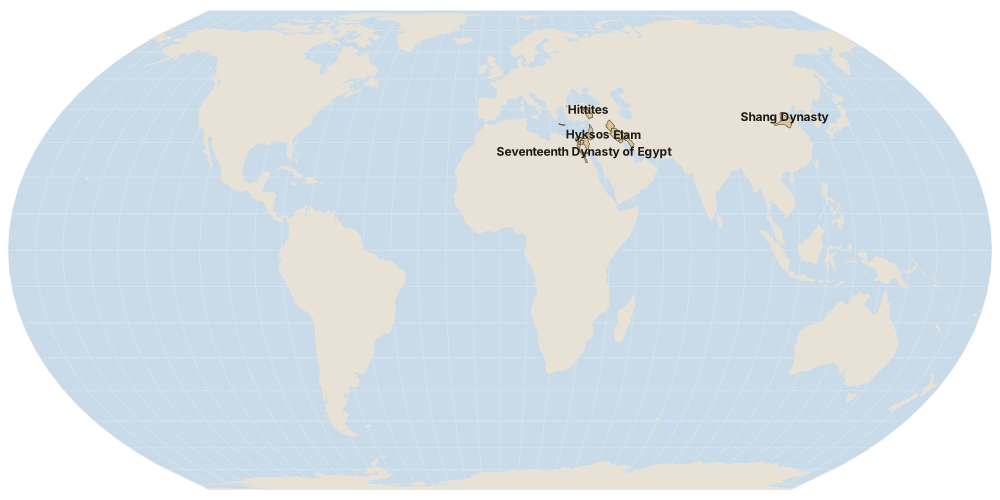
    Hammurabi's Babylon

    Hammurabi of Babylon has conquered most of Mesopotamia, from Mari to the Persian Gulf, and issues his famous law code. The Hittites are beginning to expand in Anatolia.

    Next story1600 BC · The Shang kingdom
  16. 150 years later

    1750 BC to 1600 BC

  17. Story 10 of 104 · The first states

    East Asia and the Pacific

    The Shang kingdom

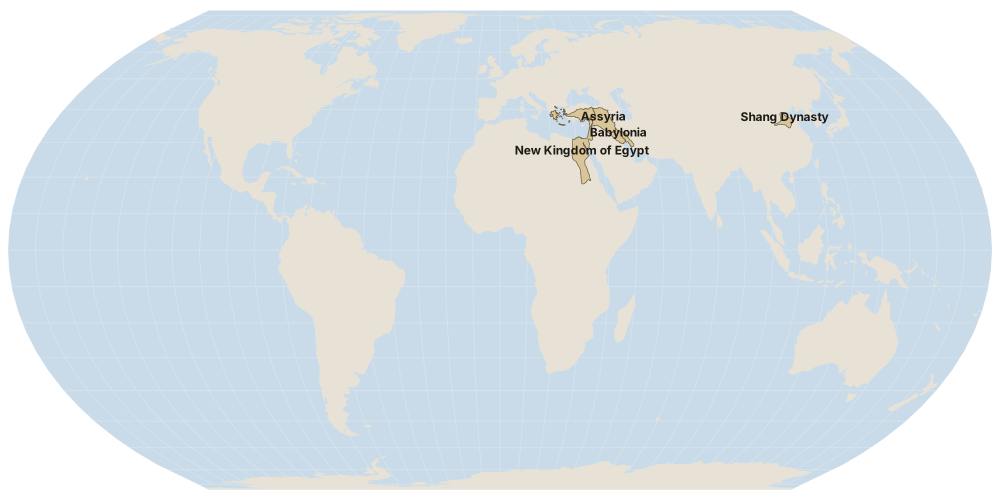
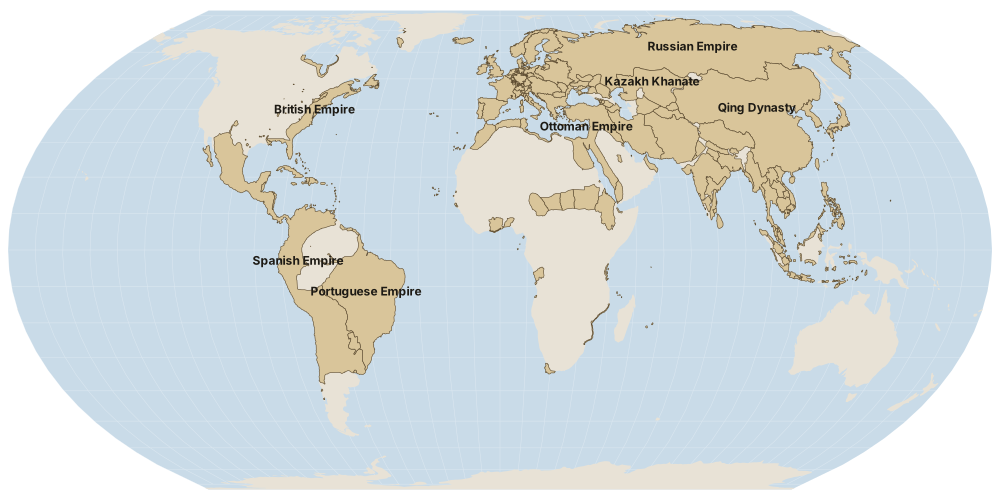
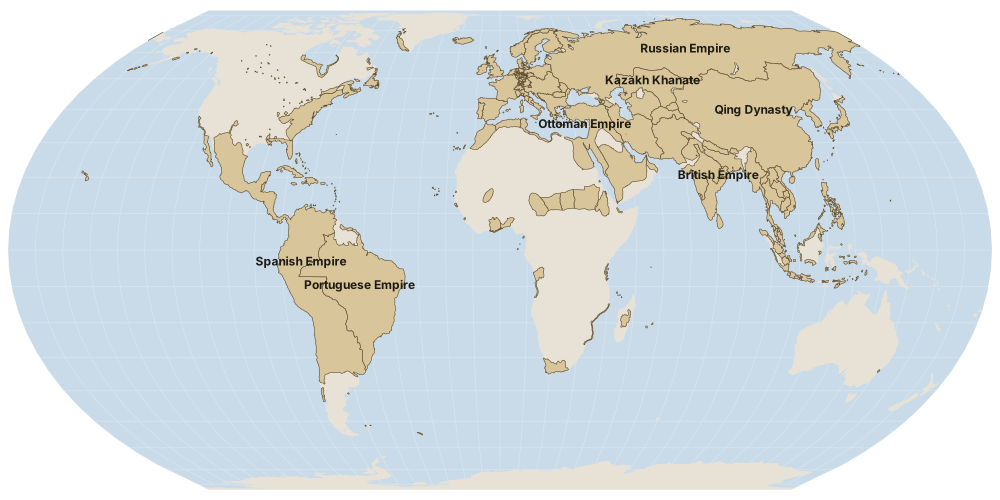
    The Shang kingdom is taking shape on the Yellow River plain, with walled cities and fine bronze work. The Indus cities are in decline.

    Next story1500 BC · Egypt's empire
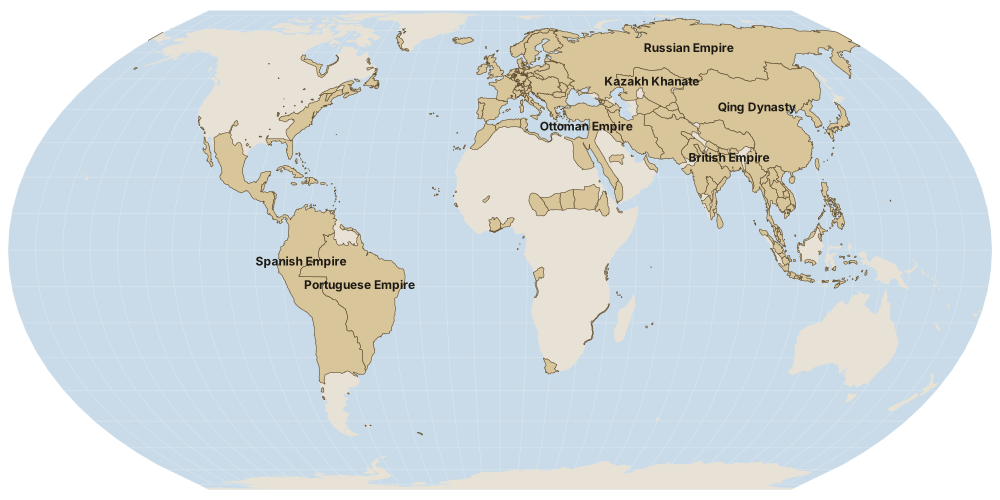
  18. Story 11 of 104 · The first states

    Africa

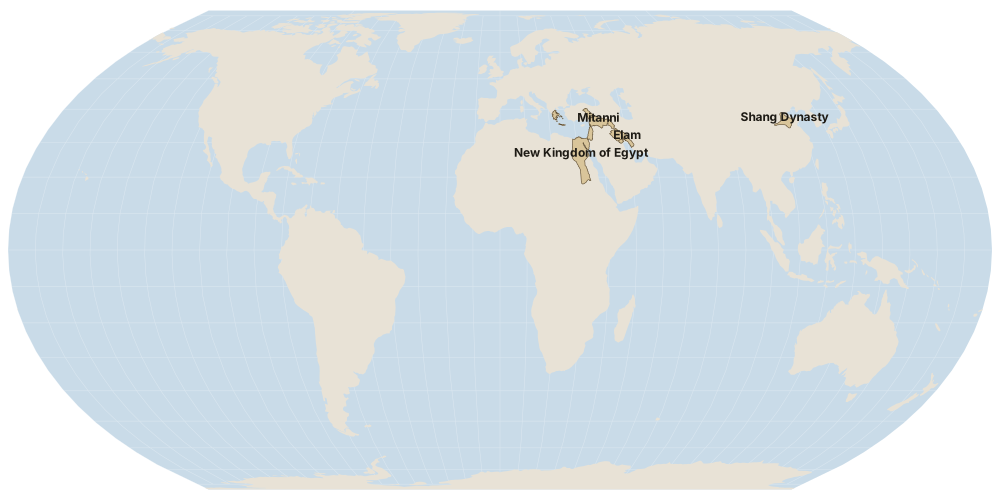
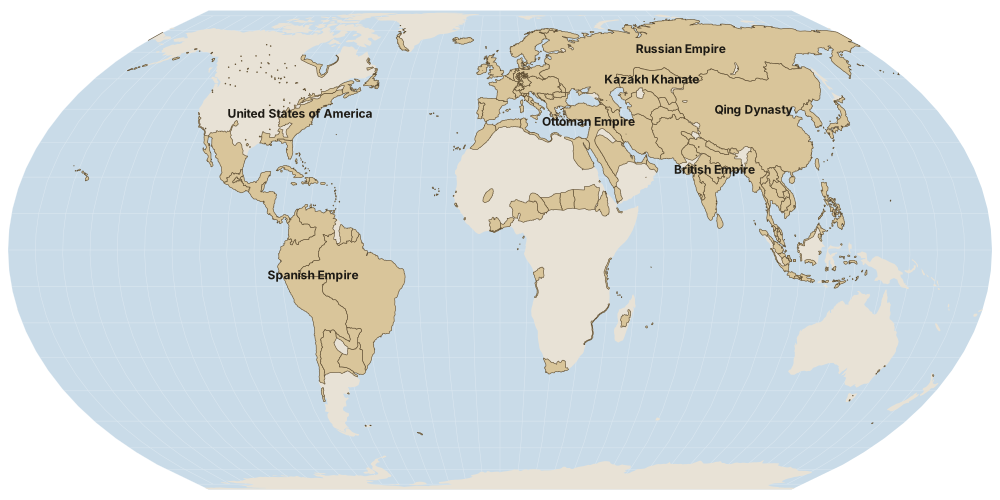
    Egypt's empire

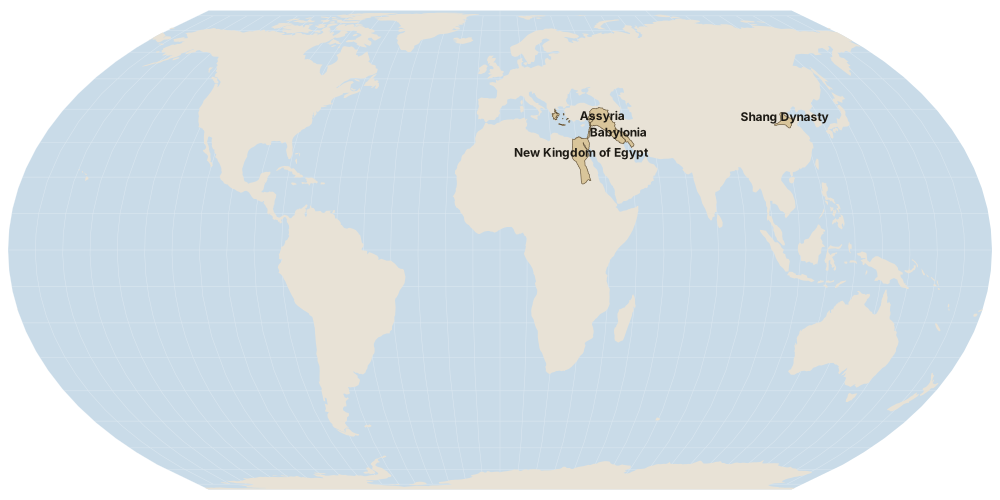
    New Kingdom Egypt pushes into Nubia and the Levant. Mitanni rules northern Mesopotamia, and the Shang dynasty rules in northern China.

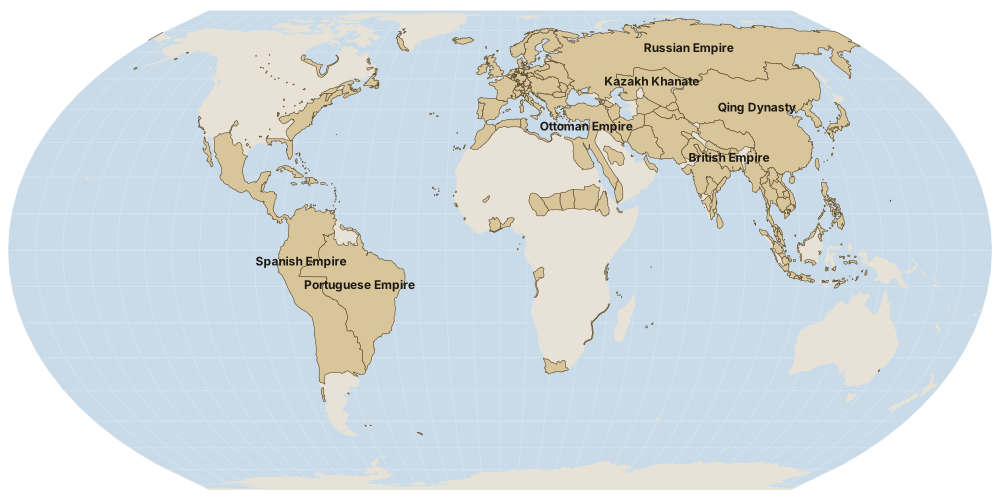
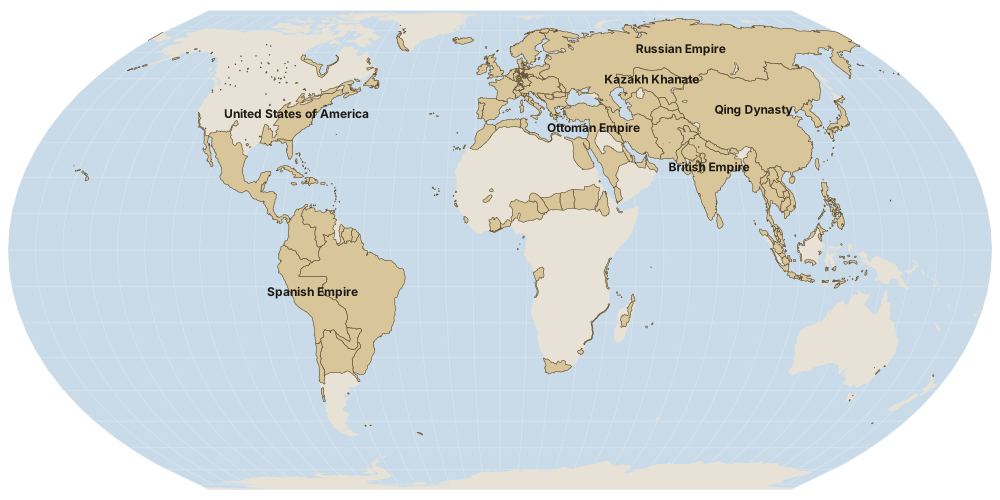
    Next story1350 BC · The Amarna age
  19. 150 years later

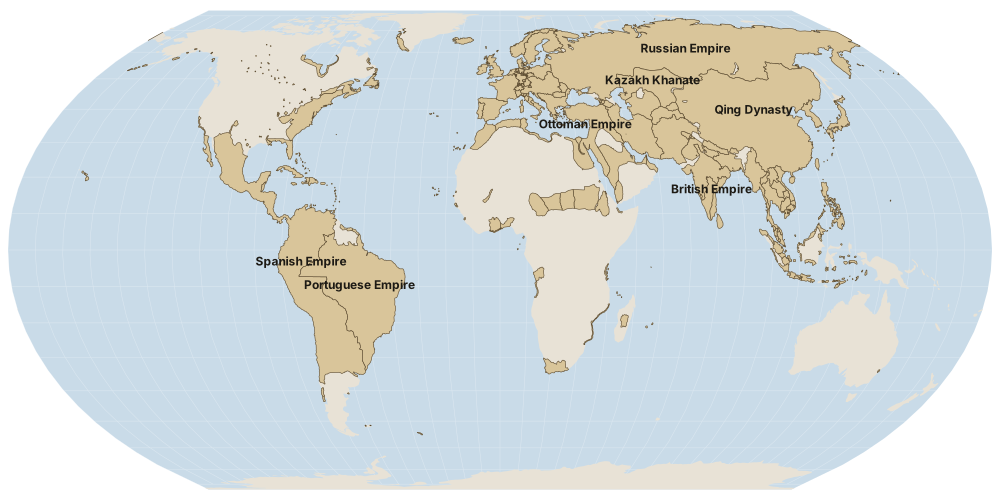
    1500 BC to 1350 BC

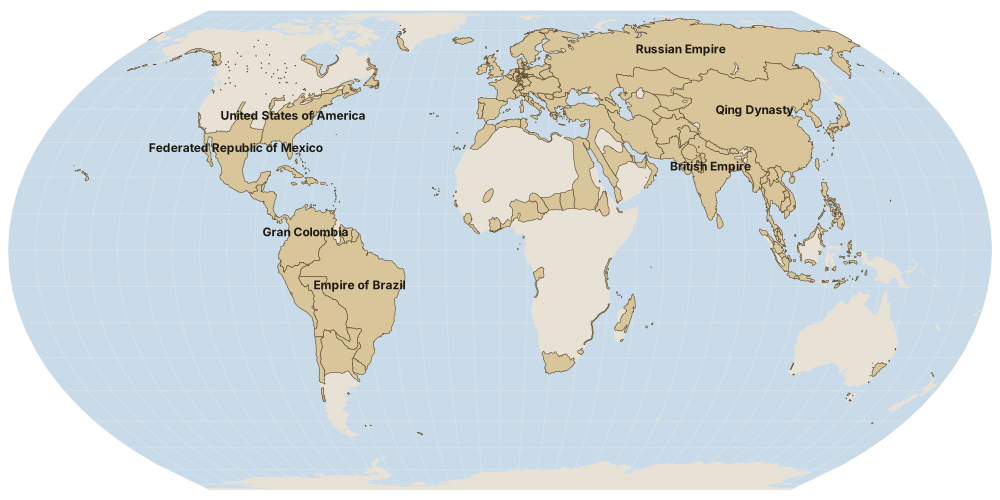
  20. Story 12 of 104 · The first states

    Middle East and Central Asia

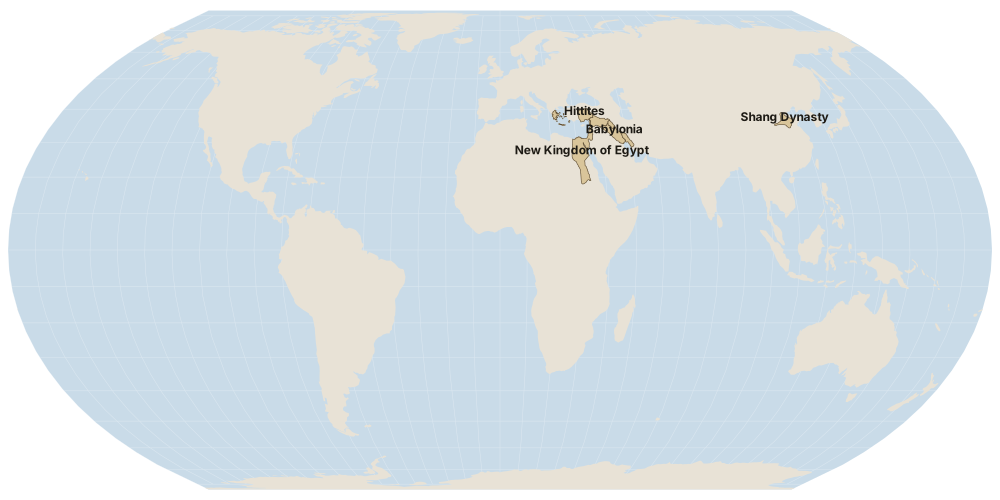
    The Amarna age

    Egypt, the Hittites, Mitanni and Babylon write to each other as equals. Egypt's pharaoh Akhenaten is ruling from his new capital at Amarna.

    Next story1200 BC · Before the collapse
  21. 150 years later

    1350 BC to 1200 BC

  22. Story 13 of 104 · The first states

    Middle East and Central Asia

    Before the collapse

    Egypt, the Hittites and Assyria divide the Near East between them. Within decades many Bronze Age kingdoms will fall.

    Next story1100 BC · After the Bronze Age collapse
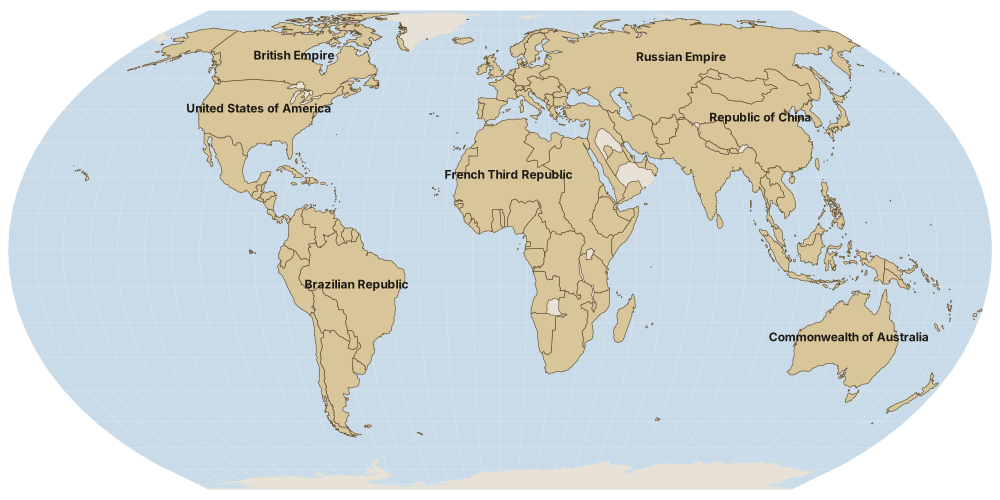
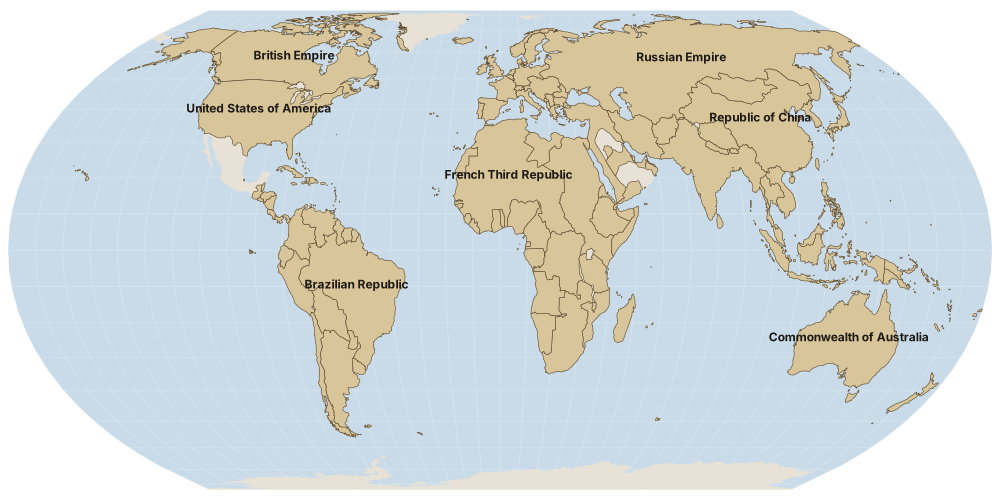
  23. Story 14 of 104 · The first states

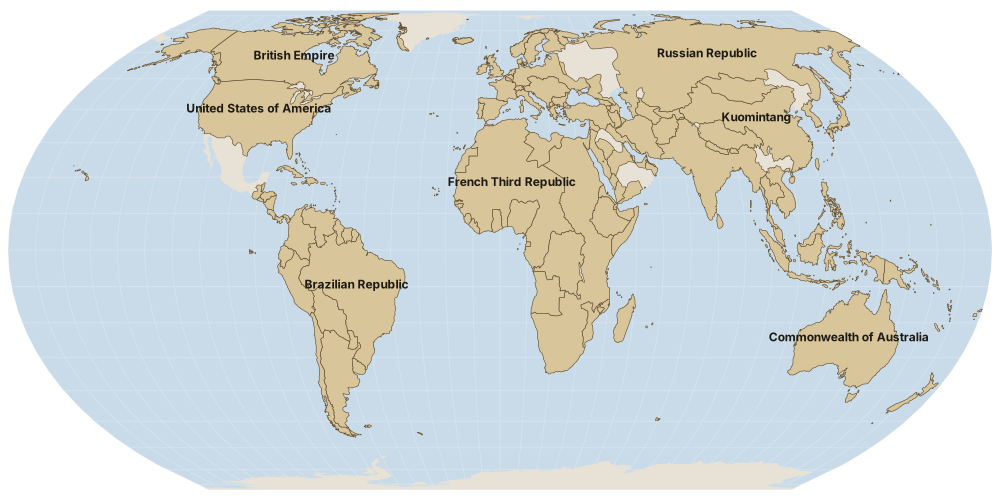
    Middle East and Central Asia

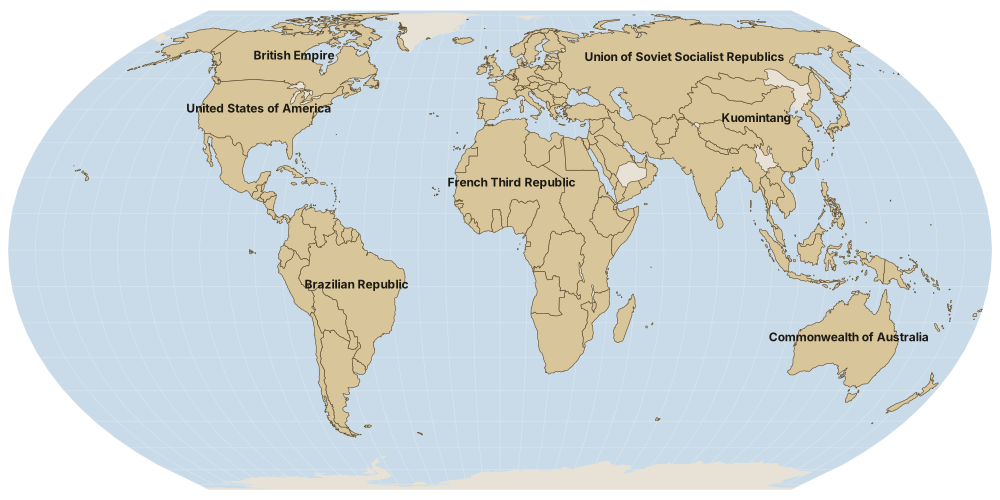
    After the Bronze Age collapse

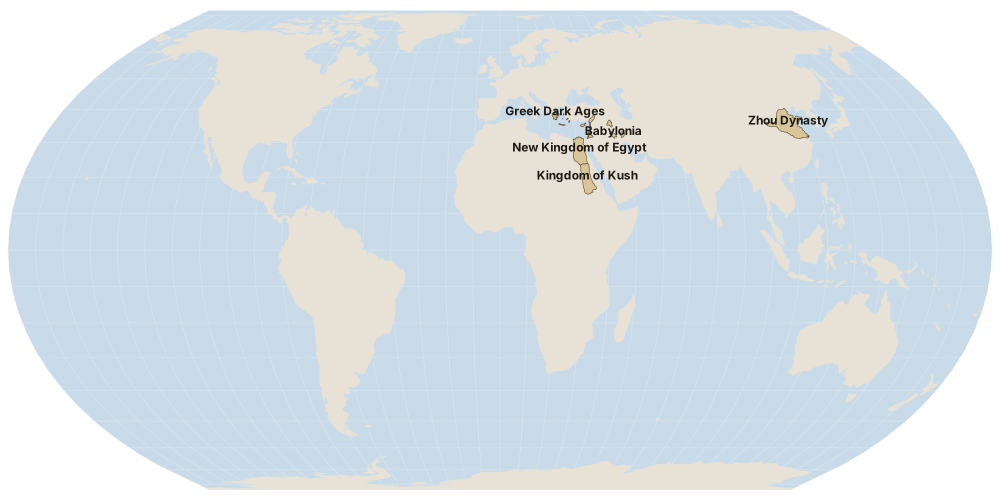
    The Hittite and Mycenaean kingdoms have collapsed and Egypt is weakened. Assyria and the Zhou kingdom are the rising powers.

    Next story1000 BC · The Zhou and Kush
  24. Story 15 of 104 · The first states

    East Asia and the Pacific

    The Zhou and Kush

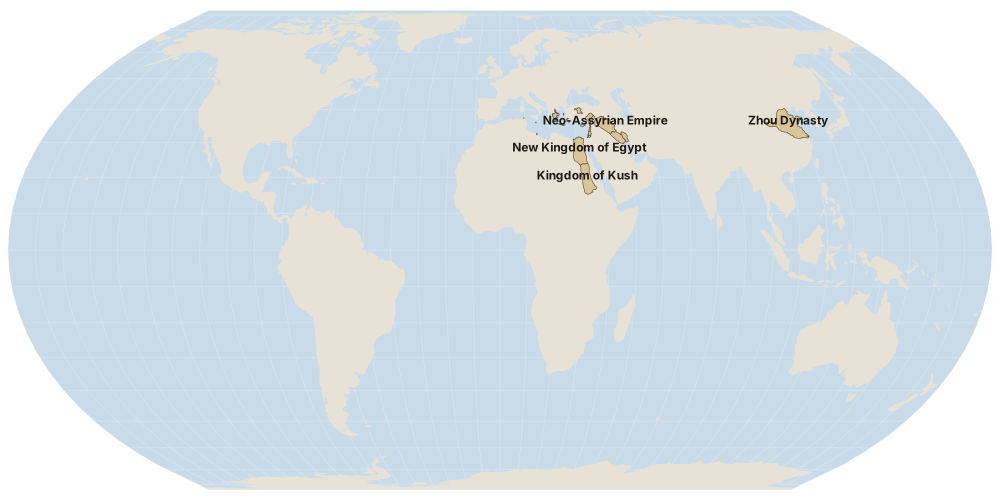
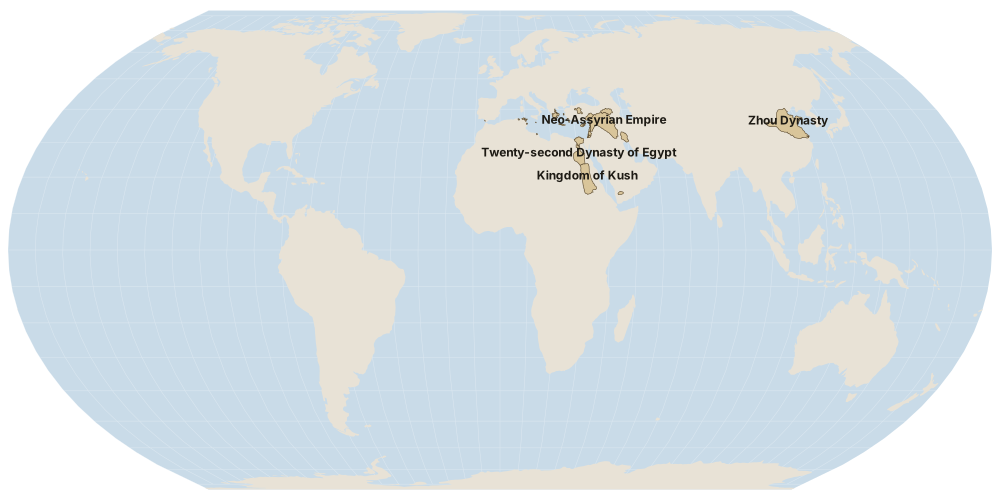
    The Zhou dynasty, which overthrew the Shang, now rules one of the largest states on Earth in northern China. In Africa the kingdom of Kush rises on the Nile south of Egypt.

    Next story900 BC · Assyria rises
  25. Story 16 of 104 · The first states

    Middle East and Central Asia

    Assyria rises

    Assyria is growing under its kings, with garrisons spreading across northern Mesopotamia. In Egypt, rival dynasties have split the country.

    Next story800 BC · Greek city-states
  26. Chapter II

    The classical empires

    23 stories in this chapter

  27. Story 17 of 104 · The classical empires

    Europe

    Greek city-states

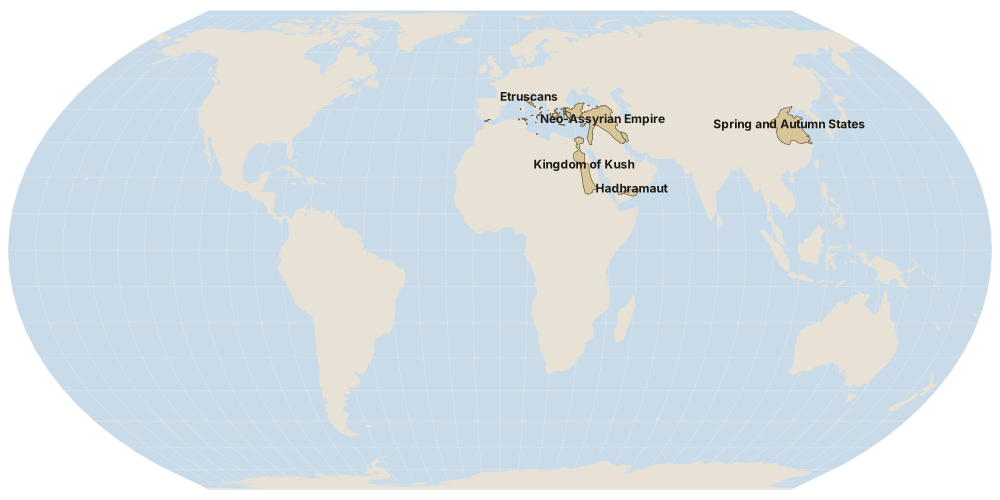
    Greece is a patchwork of independent city-states, and Phoenician colonies such as Carthage are spreading around the Mediterranean.

    Next story700 BC · Assyria's empire
  28. Story 18 of 104 · The classical empires

    Middle East and Central Asia

    Assyria's empire

    The Neo-Assyrian Empire stretches from Egypt's border to Persia. In China, the Zhou realm has split into rival states of the Spring and Autumn period.

    Next story600 BC · The Medes and Babylon
  29. Story 19 of 104 · The classical empires

    Middle East and Central Asia

    The Medes and Babylon

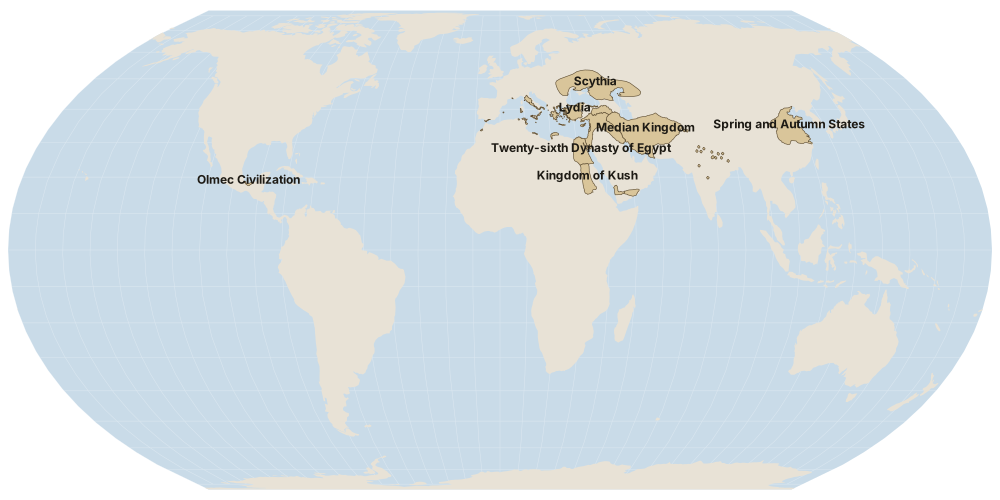
    The Medes and the Babylonians have destroyed Assyria and divided its lands. Egypt is still a major power, and Lydia rules western Anatolia.

    Next story500 BC · Persia's world empire
  30. Story 20 of 104 · The classical empires

    Middle East and Central Asia

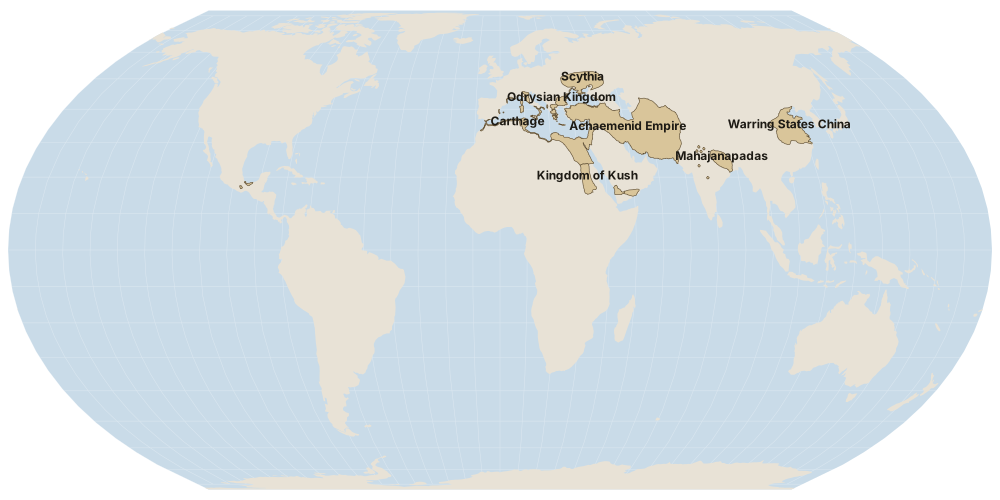
    Persia's world empire

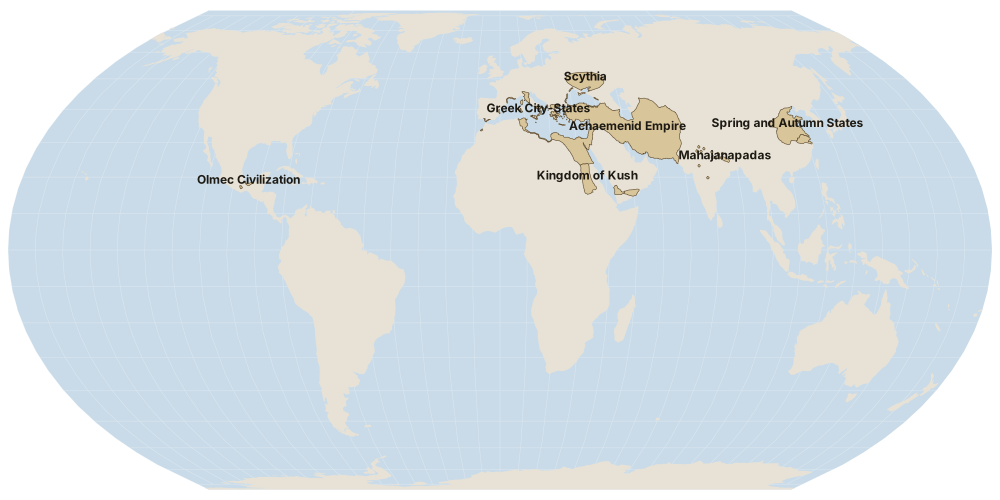
    The Achaemenid Empire of Persia reaches from the Aegean to the Indus, by far the largest state yet. Greek city-states and Carthage hold the Mediterranean coasts.

    Next story450 BC · The Achaemenid Empire at its height
  31. Story 21 of 104 · The classical empires

    Middle East and Central Asia

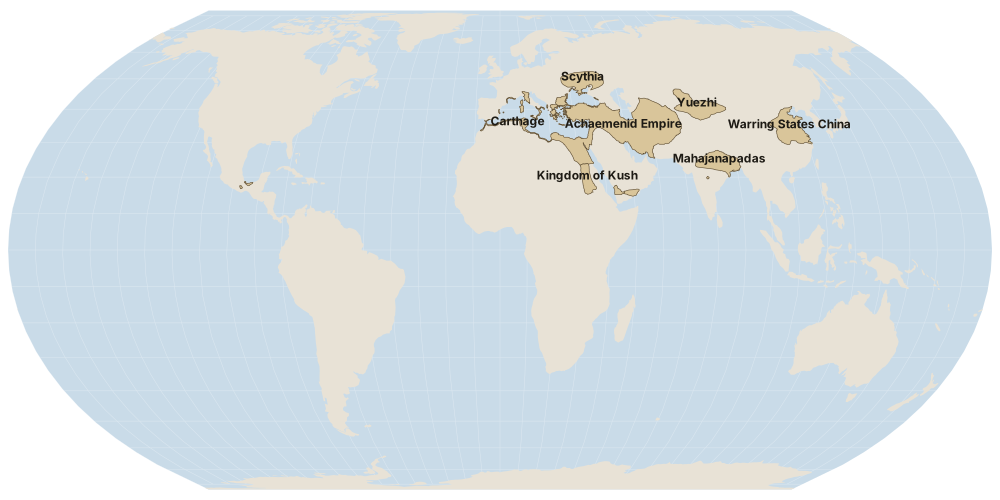
    The Achaemenid Empire at its height

    The Achaemenid Persian Empire is the largest the world has yet seen, from Egypt to the Indus. The Greek-Persian wars have just ended.

    Next story400 BC · Athens and Sparta at war
  32. Story 22 of 104 · The classical empires

    Europe

    Athens and Sparta at war

    The Peloponnesian War has left Athens defeated, and Sparta's allies rule the Greek mainland. Macedon is a small kingdom to the north.

    Next story323 BC · Alexander's empire
  33. Story 23 of 104 · The classical empires

    Middle East and Central Asia

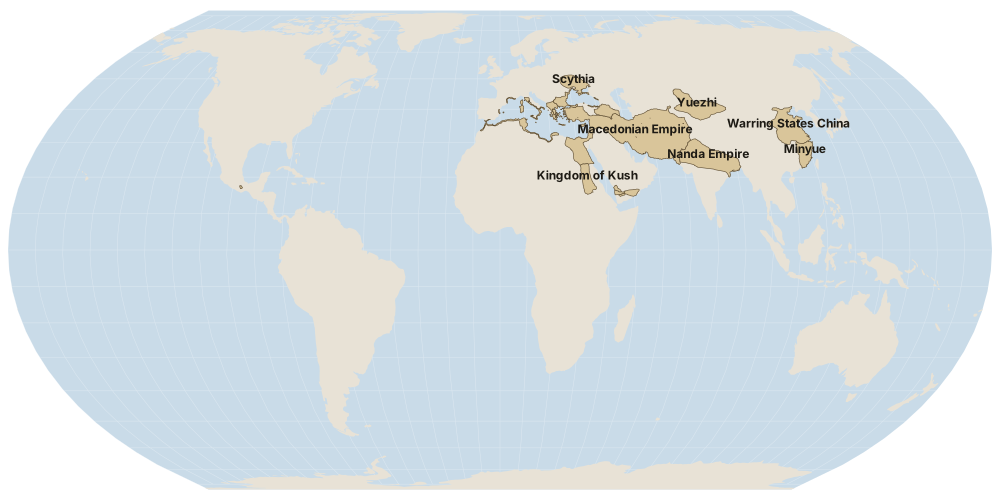
    Alexander's empire

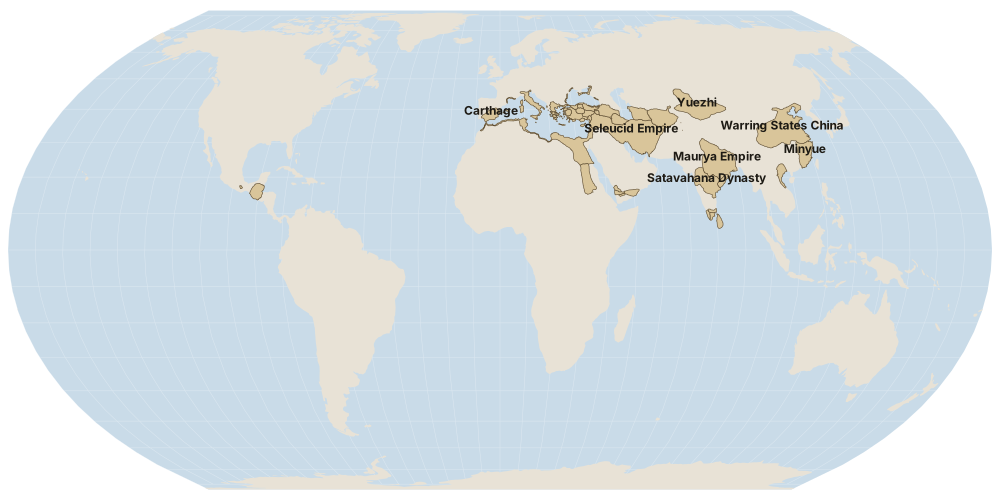
    In the year Alexander the Great dies, his empire covers the old Persian lands. India's Nanda Empire rules the Ganges plain, and China's Warring States fight on.

    Next story250 BC · Ashoka's India
  34. Story 24 of 104 · The classical empires

    South and Southeast Asia

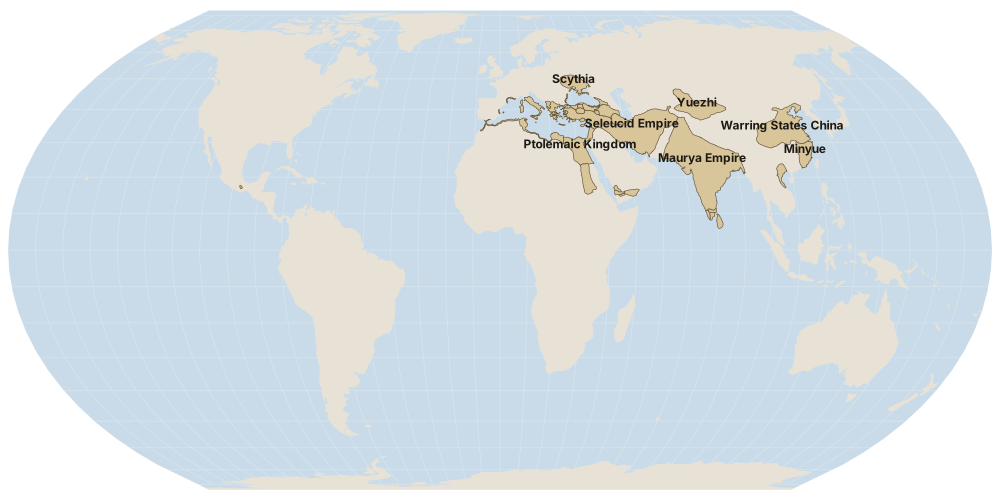
    Ashoka's India

    The Mauryan Empire under Ashoka covers most of the Indian subcontinent. China's Qin is about to unify the Warring States, and Rome is expanding in Italy.

    Next story221 BC · China's first empire
  35. Story 25 of 104 · The classical empires

    East Asia and the Pacific

    China's first empire

    The state of Qin conquers its rivals and unifies China under one ruler, ending the Warring States period. The Mauryan Empire rules most of India, and Rome is still a republic on the Italian peninsula.

    Next story200 BC · Han, Xiongnu and Rome rising
  36. Story 26 of 104 · The classical empires

    East Asia and the Pacific

    Han, Xiongnu and Rome rising

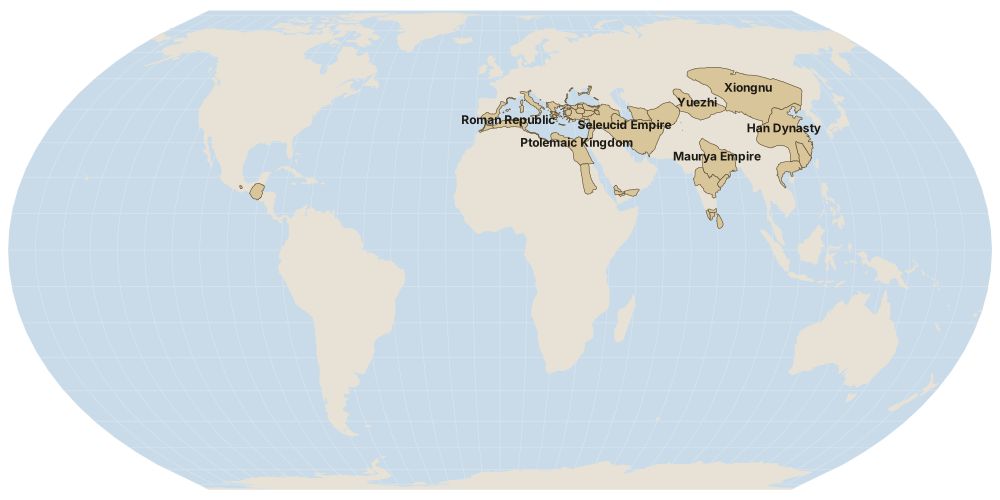
    The Han dynasty has just reunited China, and the nomadic Xiongnu rule the steppe to its north. In the west, the Seleucid and Ptolemaic kingdoms still divide Alexander's lands.

    Next story146 BC · Rome takes Carthage and Greece
  37. Story 27 of 104 · The classical empires

    Europe

    Rome takes Carthage and Greece

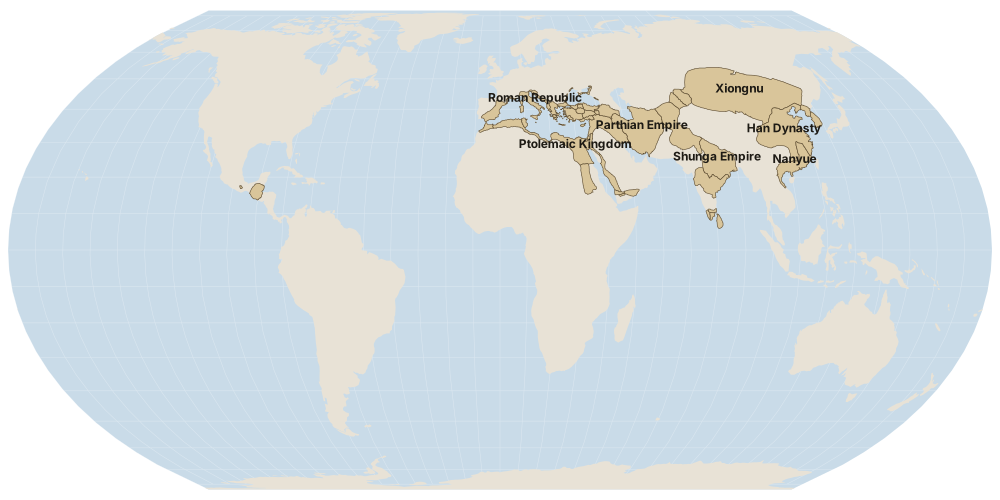
    Rome destroys Carthage and sacks Corinth in the same year. Its provinces now include much of Spain, the land around Carthage, and Macedonia.

    Next story100 BC · Han China at its widest
  38. Story 28 of 104 · The classical empires

    East Asia and the PacificUnverified

    Han China at its widest

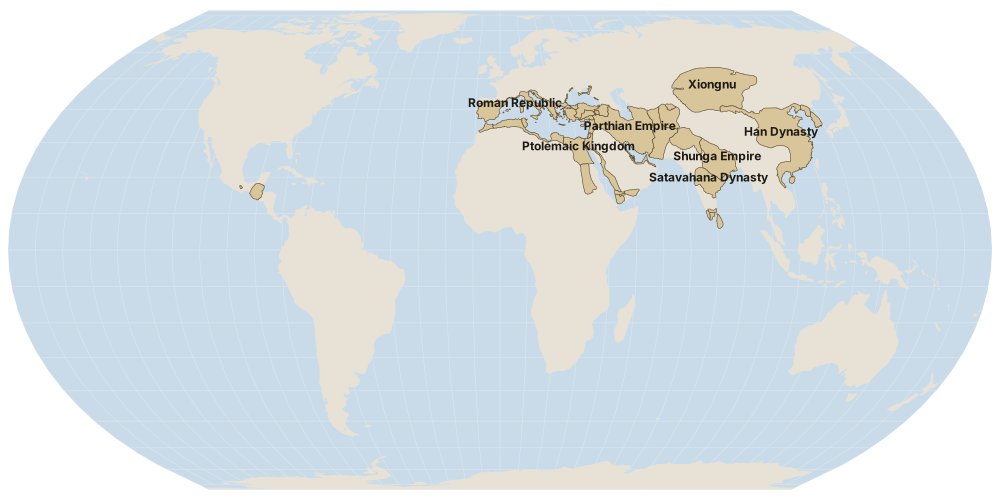
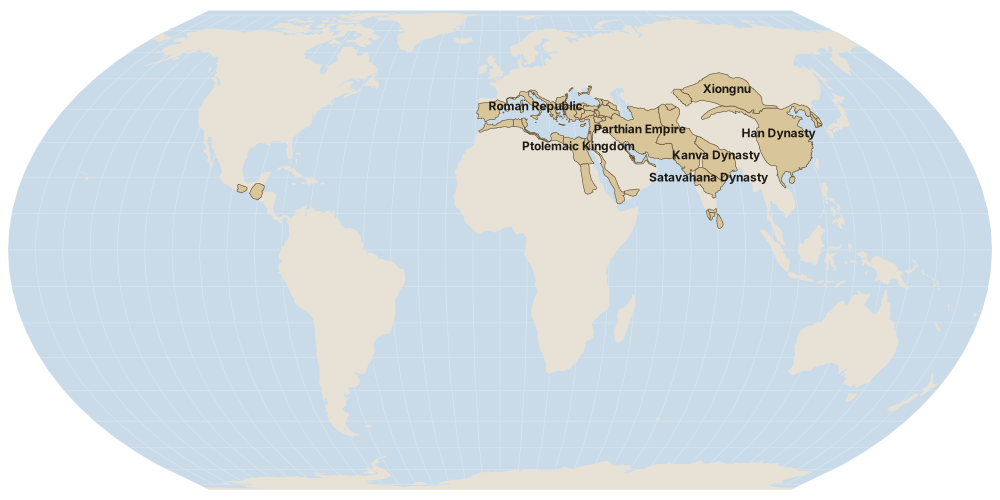
    Emperor Wu's armies have pushed Han rule into northern Korea, northern Vietnam and the corridor to Central Asia, while the Xiongnu still rule the steppe. Parthia holds Iran, and Rome governs much of the Mediterranean as a republic.

    Next story58 BC · Caesar conquers Gaul
  39. Story 29 of 104 · The classical empires

    Europe

    Caesar conquers Gaul

    Julius Caesar is campaigning in Gaul, subduing the tribes between the Rhine and the Atlantic. Rome's Republic is about to be torn apart by civil war.

    Next story27 BC · Augustus and the Roman Empire
  40. Story 30 of 104 · The classical empires

    Europe

    Augustus and the Roman Empire

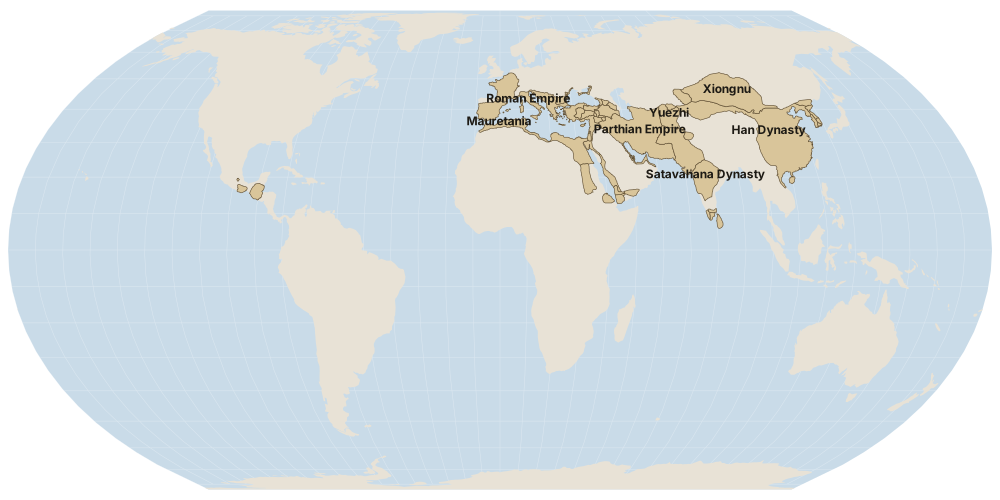
    Octavian takes the name Augustus and becomes the first Roman emperor. The Empire covers the Mediterranean and much of Europe, while Han China and Parthia are the other great states.

    Next story1 · Rome and Han
  41. Story 31 of 104 · The classical empires

    Europe

    Rome and Han

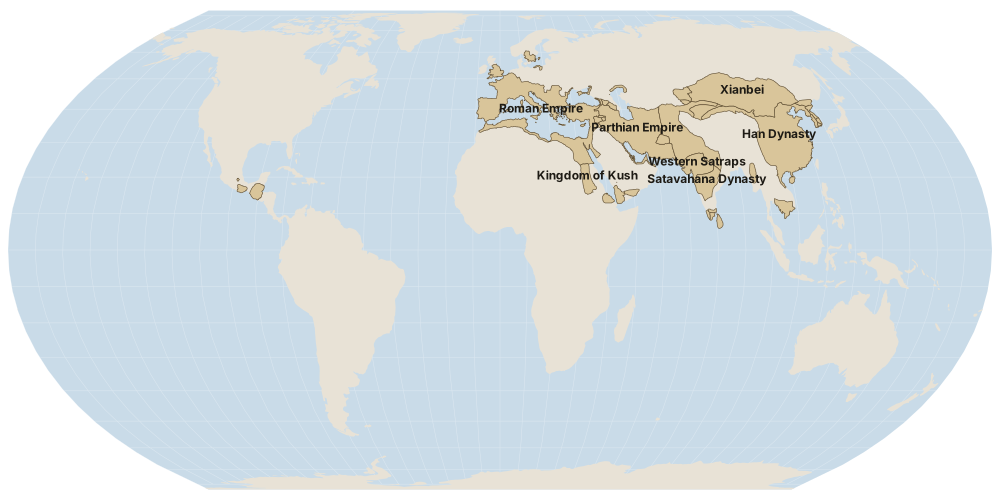
    Two great empires sit at either end of Eurasia: Rome around the Mediterranean and Han China in the east, with Parthia between them.

    Next story117 · Rome at its largest
  42. Story 32 of 104 · The classical empires

    Europe

    Rome at its largest

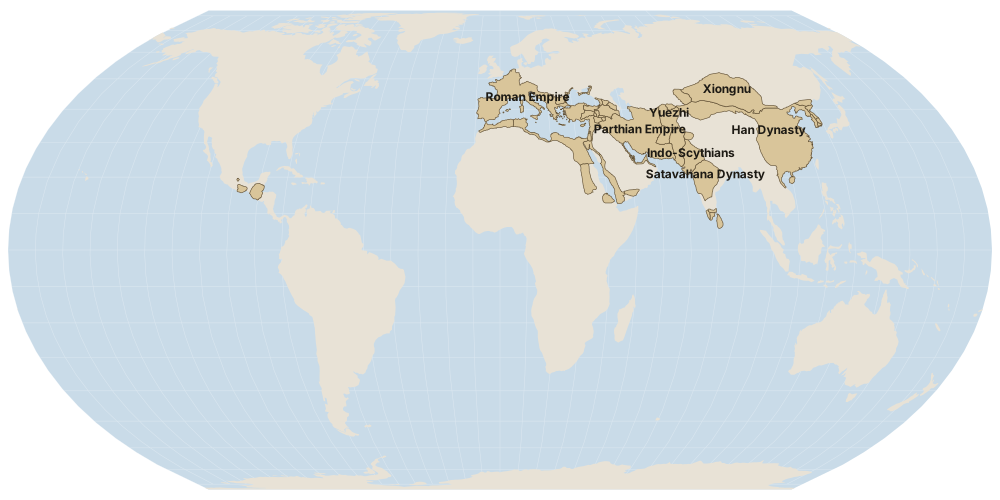
    Under the emperor Trajan, the Roman Empire reaches its greatest extent, from Britain to Mesopotamia. The Kushan Empire rules Central Asia and northern India.

    Next story140 · The Kushans and Parthians
  43. Story 33 of 104 · The classical empires

    Middle East and Central Asia

    The Kushans and Parthians

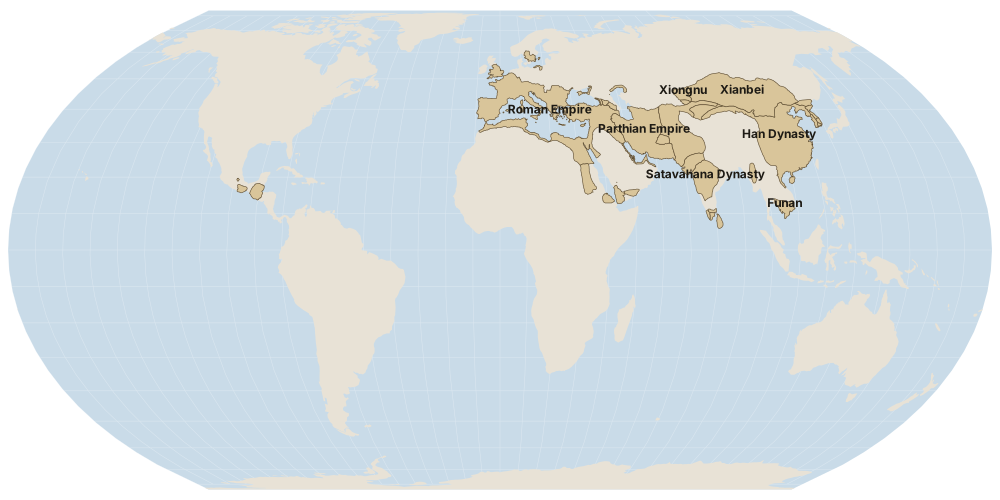
    The Roman Empire is at its height, the Parthians rule Persia and Mesopotamia, and the Kushan Empire spans Central Asia and northern India. Han China is still in power.

    Next story220 · The Han falls
  44. Story 34 of 104 · The classical empires

    East Asia and the Pacific

    The Han falls

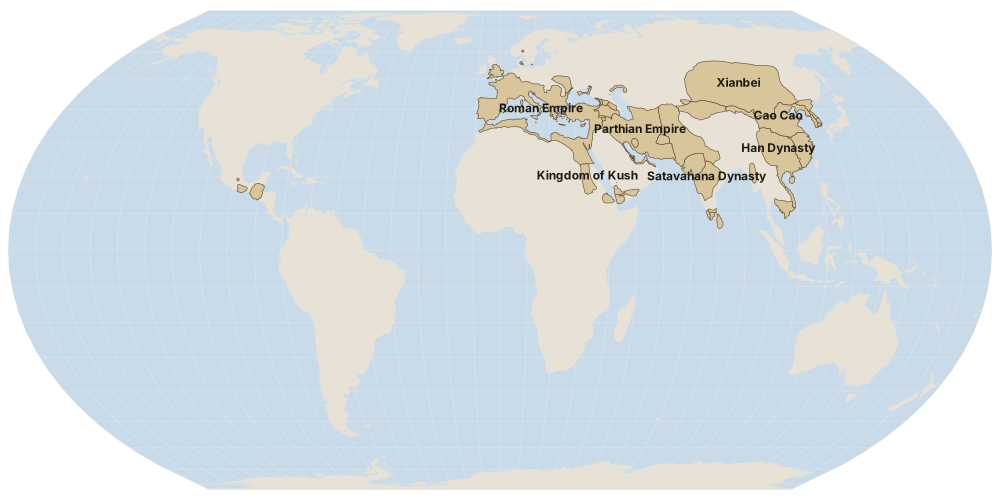
    The Han dynasty collapses after decades of revolt, and China splits into the rival kingdoms of Wei, Shu and Wu.

    Next story280 · China reunited
  45. Story 35 of 104 · The classical empires

    East Asia and the Pacific

    China reunited

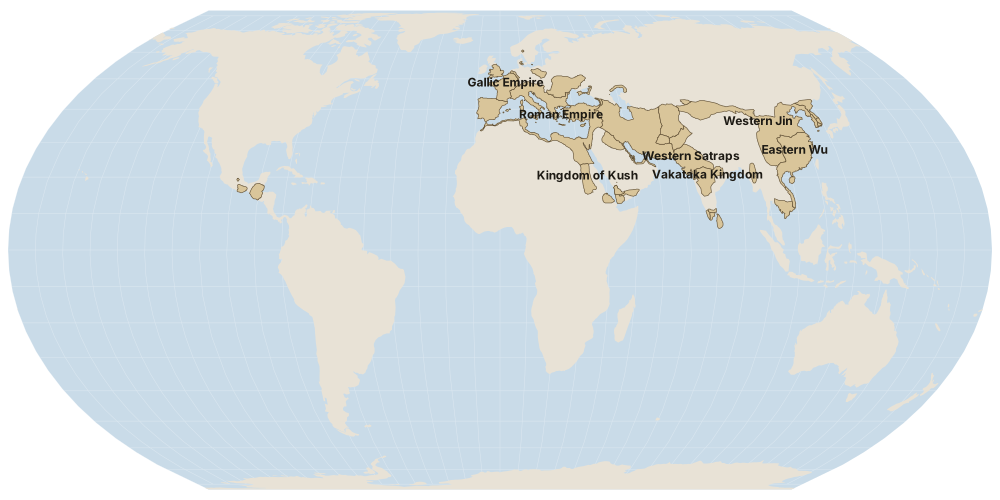
    The Jin dynasty reunites China and ends the Three Kingdoms period. Rome has just recovered from a crisis in which breakaway empires split off in the west and east.

    Next story300 · Empires in the third century
  46. Story 36 of 104 · The classical empires

    East Asia and the Pacific

    Empires in the third century

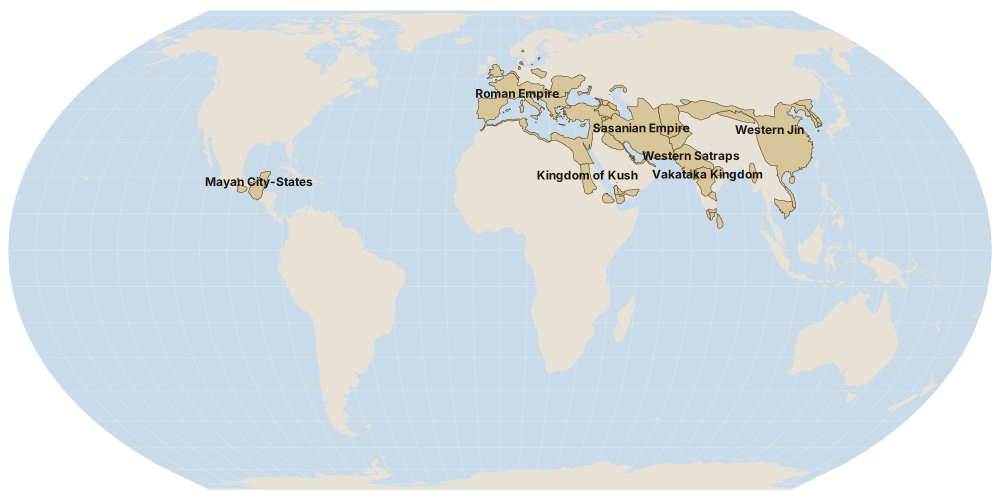
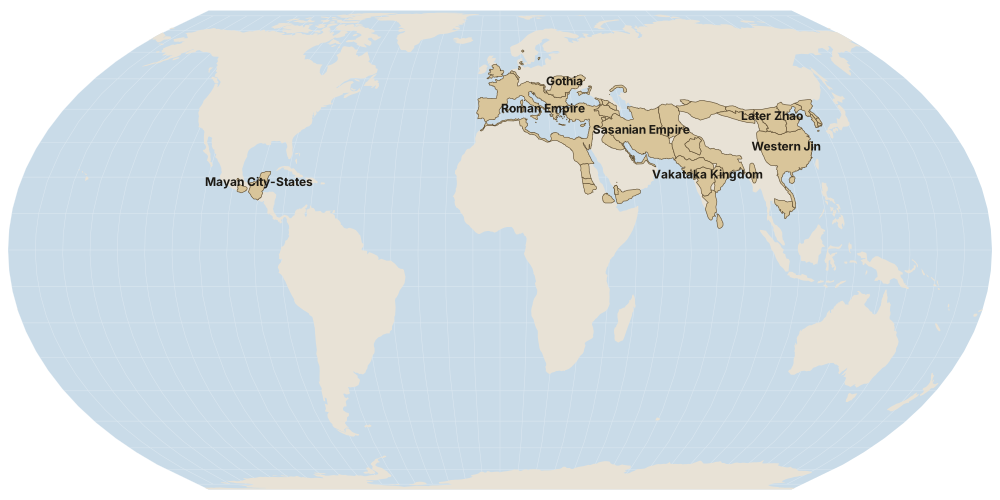
    Rome holds together after a century of crisis, Sasanian Persia rules Iran, and China is briefly reunited under the Western Jin.

    Next story350 · The Gupta Empire rises
  47. Story 37 of 104 · The classical empires

    South and Southeast AsiaUnverified

    The Gupta Empire rises

    Samudragupta is turning the small Gupta kingdom into an empire across northern India. Rome, now Christian under the sons of Constantine, faces Shapur II's Sasanian Persia, and in the Nile valley Nubian kingdoms are taking shape.

    Next story395 · Rome splits in two
  48. Story 38 of 104 · The classical empires

    Europe

    Rome splits in two

    Emperor Theodosius dies and leaves the Roman Empire to his two sons, one ruling from Rome and one from Constantinople. The Sasanian Empire holds Persia and Mesopotamia, and the Gupta Empire rules northern India.

    Next story450 · The Huns and the fall of the West
  49. Story 39 of 104 · The classical empires

    Europe

    The Huns and the fall of the West

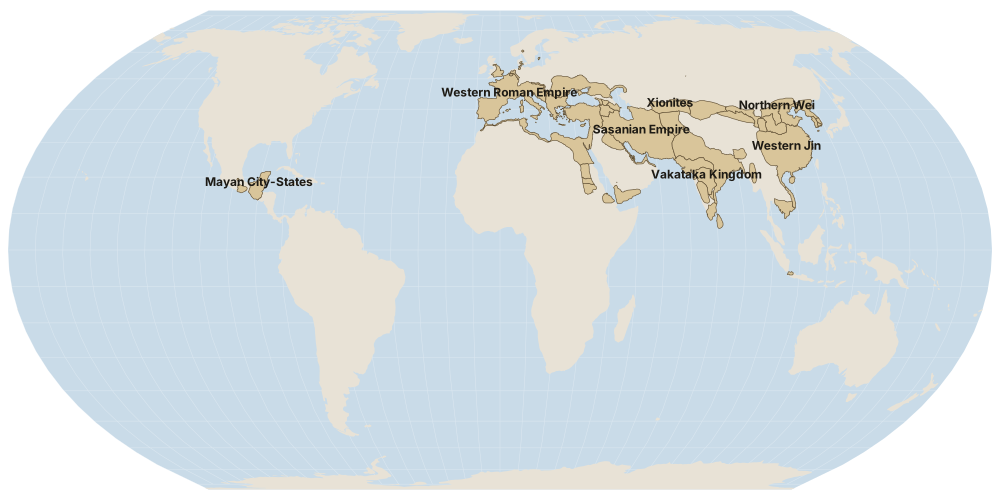
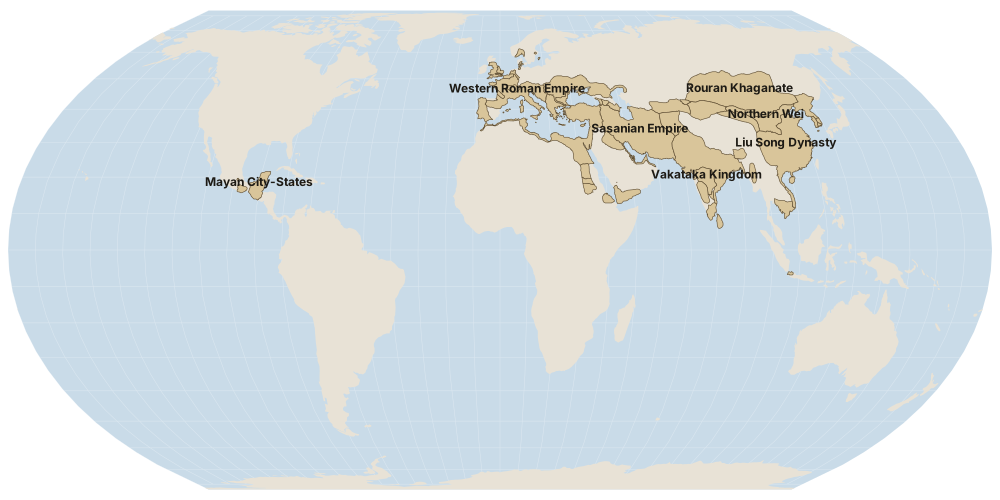
    Attila's Huns rule a vast territory from the Caspian to the Rhine. The western Roman Empire is in its last decades, and the Vandals hold North Africa.

    Next story500 · After Rome
  50. Chapter III

    Caliphates, khans and kingdoms

    23 stories in this chapter

  51. Story 40 of 104 · Caliphates, khans and kingdoms

    Europe

    After Rome

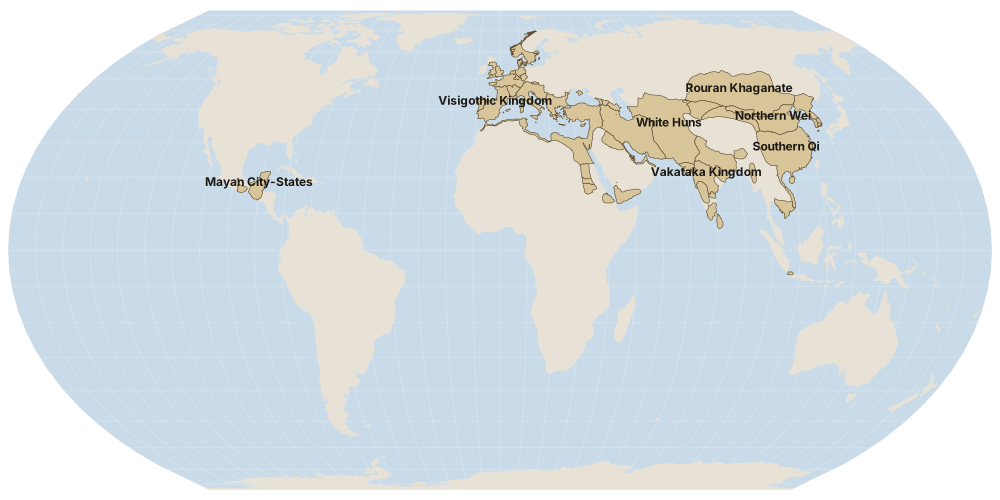
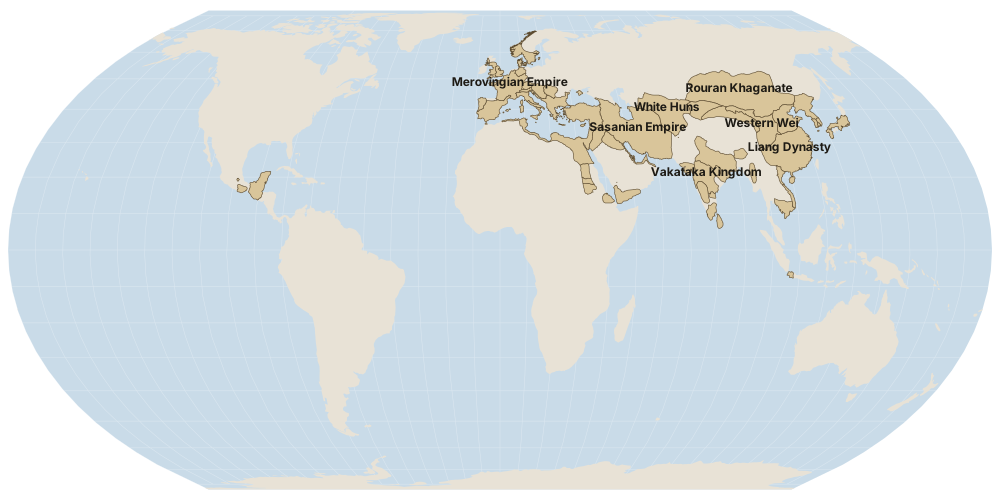
    The western Roman Empire is gone, replaced by Germanic kingdoms. The eastern empire rules from Constantinople, and steppe peoples such as the Rouran and the White Huns hold huge territories.

    Next story550 · Justinian's reconquest
  52. Story 41 of 104 · Caliphates, khans and kingdoms

    Europe

    Justinian's reconquest

    Justinian's armies have retaken North Africa and are finishing the long war for Italy; a foothold in southern Spain follows in 552. Gupta rule is ending in India.

    Next story600 · The Sasanians and the Sui
  53. Story 42 of 104 · Caliphates, khans and kingdoms

    Middle East and Central Asia

    The Sasanians and the Sui

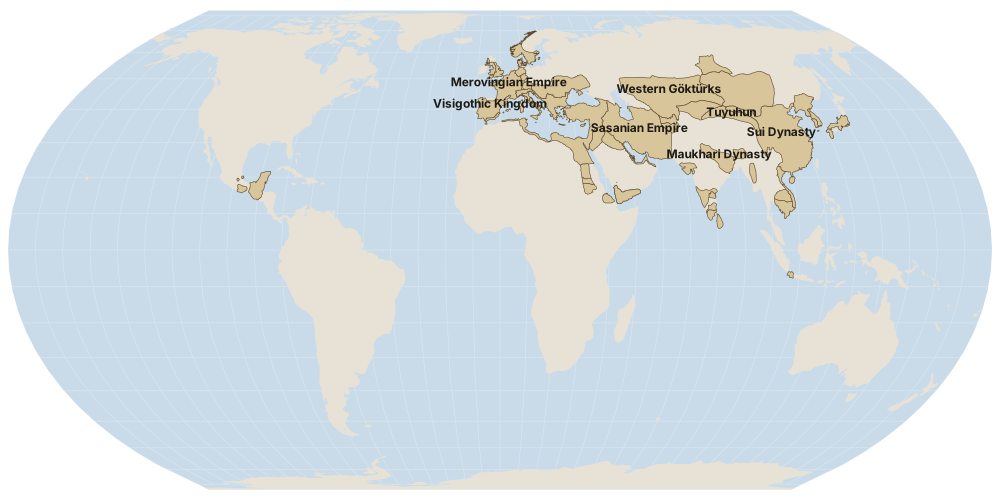
    The Sasanian Empire is at its height, ruling Persia and Mesopotamia up to the borders of Arabia. China has been reunited under the Sui dynasty.

    Next story632 · The Arab conquests begin
  54. Story 43 of 104 · Caliphates, khans and kingdoms

    Middle East and Central Asia

    The Arab conquests begin

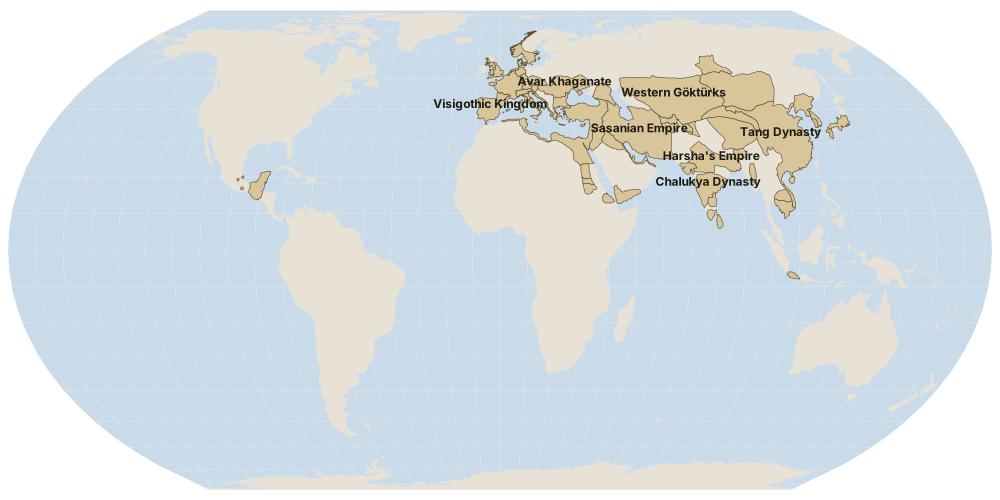
    The Prophet Muhammad dies this year, and within a decade Arab armies take Syria, Iraq and Egypt. The Sasanian Empire and the Byzantine Empire, both worn down by long wars, are the main targets.

    Next story720 · The Umayyad Caliphate at its height
  55. Story 44 of 104 · Caliphates, khans and kingdoms

    Middle East and Central Asia

    The Umayyad Caliphate at its height

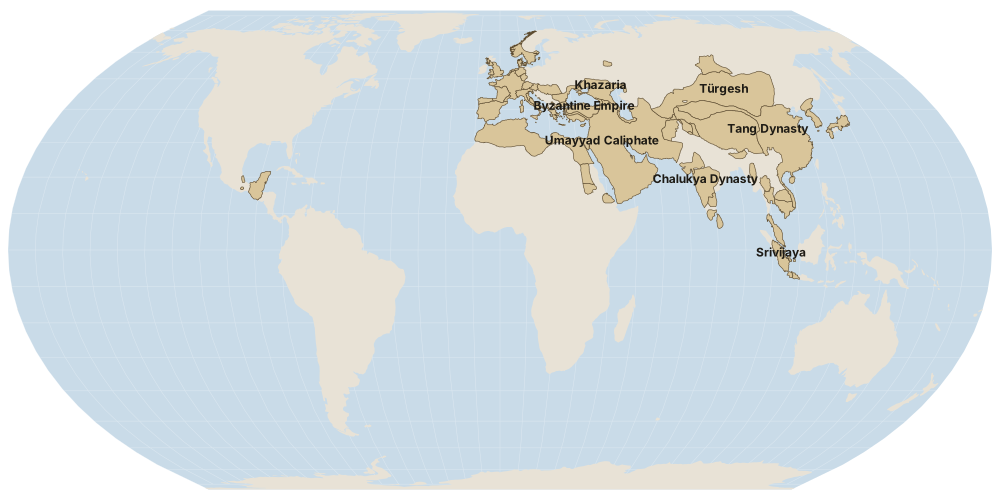
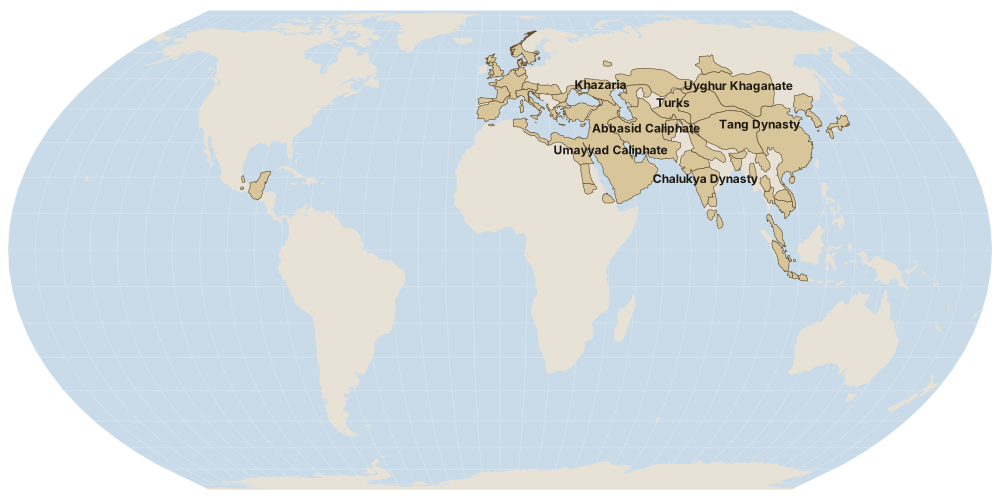
    In less than a century the caliphate has grown from Arabia to rule from Iberia, taken from 711, across North Africa and the Middle East to Sindh and Central Asia. Tang China and the Tibetan Empire share the east, and the Franks rule much of western Europe.

    Next story750 · The caliphate and the Tang
  56. Story 45 of 104 · Caliphates, khans and kingdoms

    Middle East and Central Asia

    The caliphate and the Tang

    The Abbasids overthrow the Umayyad caliphs this year and take over an empire stretching from North Africa to Central Asia, while Tang China and the Tibetan Empire rule the east.

    Next story800 · Charlemagne is crowned
  57. Story 46 of 104 · Caliphates, khans and kingdoms

    Europe

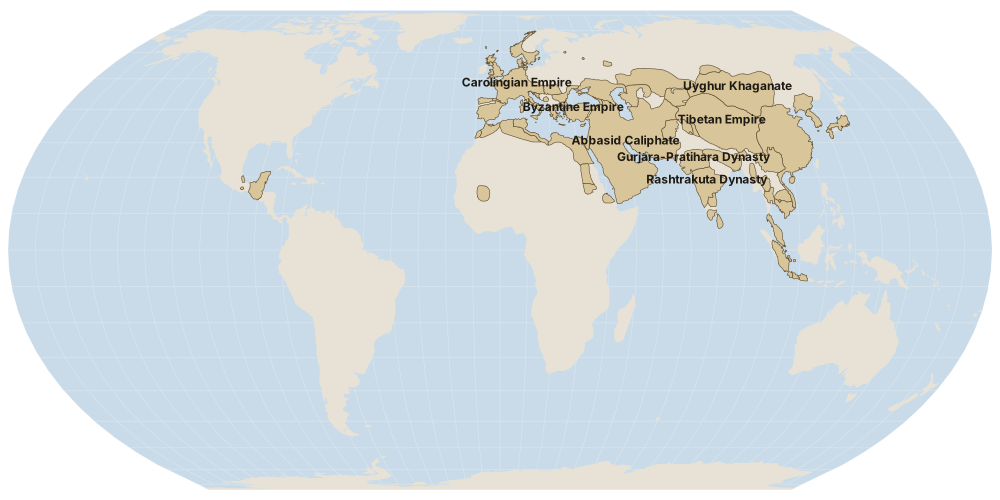
    Charlemagne is crowned

    Charlemagne, king of the Franks, is crowned emperor in Rome, ruling most of Western Europe. In Baghdad the Abbasid Caliphate is at its height, and Tang China is still strong in the east.

    Next story850 · The Viking age
  58. Story 47 of 104 · Caliphates, khans and kingdoms

    Europe

    The Viking age

    Vikings raid and settle across Europe, from England to the Russian rivers. The Abbasid Caliphate is weaker, and its Turkish guards are gaining power.

    Next story900 · China splits again
  59. Story 48 of 104 · Caliphates, khans and kingdoms

    East Asia and the Pacific

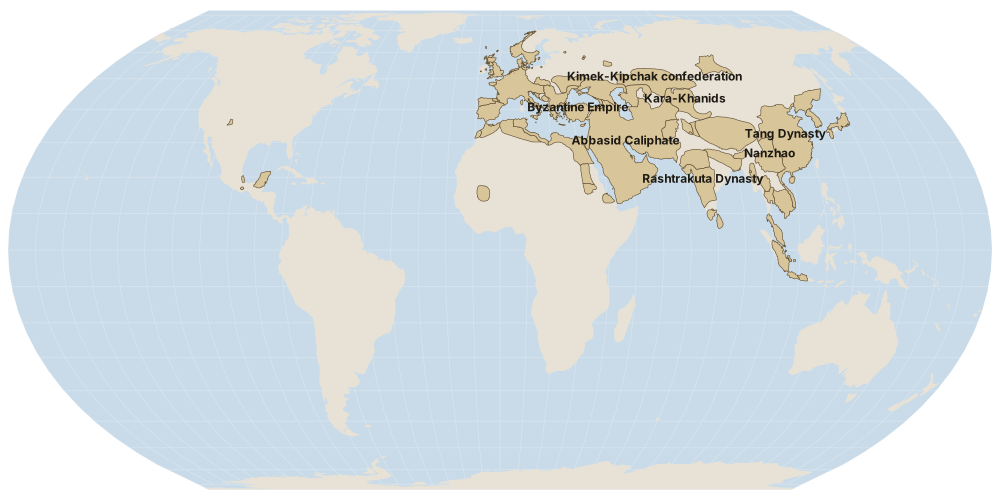
    China splits again

    The Tang dynasty is collapsing into the hands of regional warlords; it ends in 907, and China splits into the Five Dynasties and Ten Kingdoms. In Baghdad the Abbasid Caliphate is in decline.

    Next story1000 · A crowded world
  60. Story 49 of 104 · Caliphates, khans and kingdoms

    East Asia and the Pacific

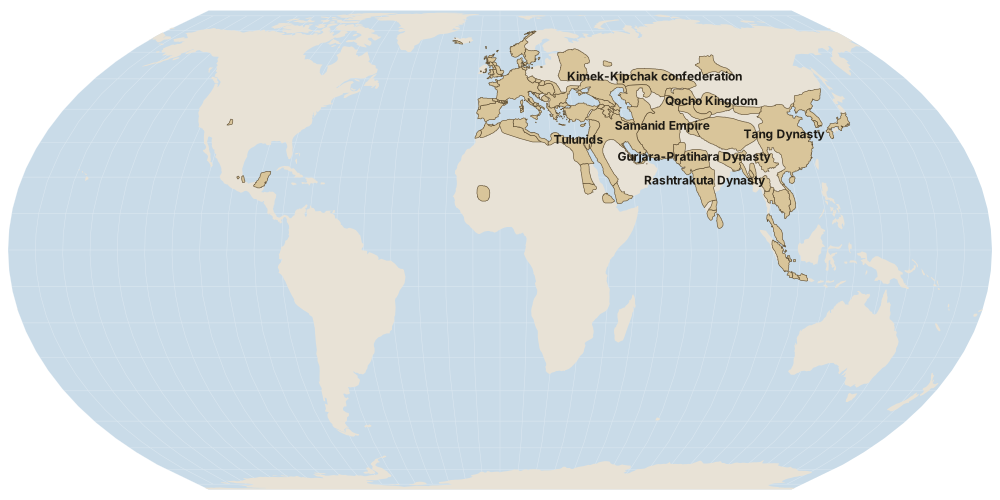
    A crowded world

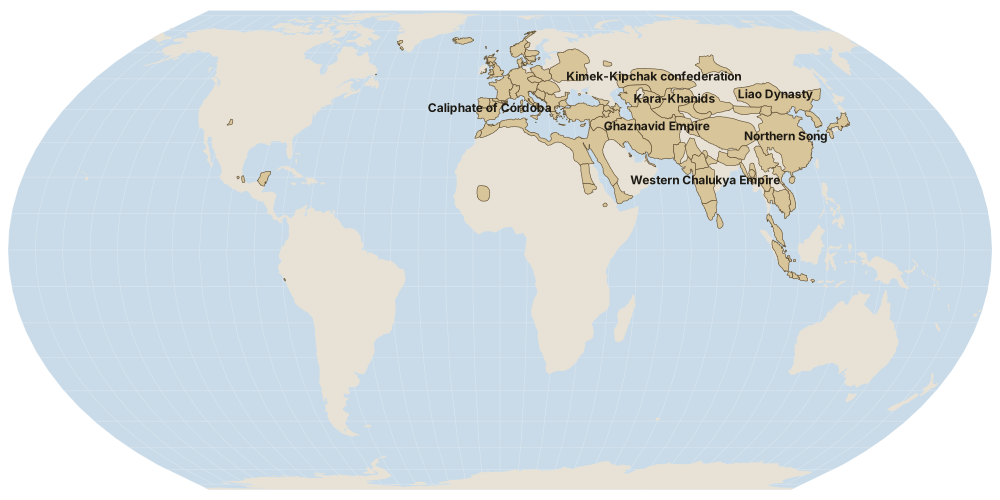
    More than a hundred states appear on the map. Song China, the Liao, the Fatimid Caliphate and the Ghaznavids are among the largest.

    Next story1100 · Seljuks and the Crusades
  61. Story 50 of 104 · Caliphates, khans and kingdoms

    Middle East and Central Asia

    Seljuks and the Crusades

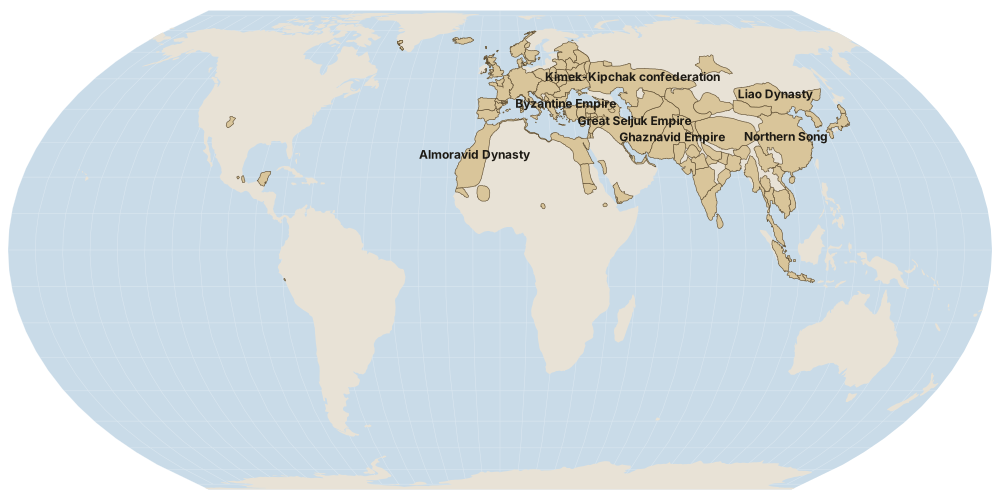
    The Seljuk Turks rule from Anatolia to Persia, and the First Crusade has just taken Jerusalem. The Song dynasty rules most of China, with the Liao in the far north, and the Khmer Empire rules from Angkor in Southeast Asia.

    Next story1141 · Jin, Song and the Kara-Khitans
  62. Story 51 of 104 · Caliphates, khans and kingdoms

    East Asia and the PacificUnverified

    Jin, Song and the Kara-Khitans

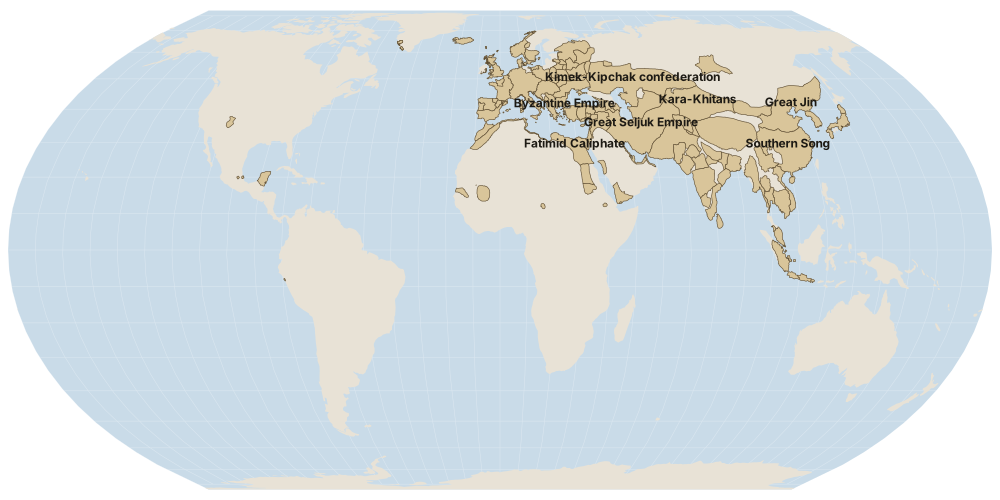
    The Jurchen Jin, having taken northern China, make peace with the Southern Song along the Huai river and the Qinling mountains. Far to the west, the Kara-Khitans, refugees from the fallen Liao state, crush the Seljuks at Qatwan.

    Next story1200 · Before the Mongols
  63. Story 52 of 104 · Caliphates, khans and kingdoms

    Middle East and Central Asia

    Before the Mongols

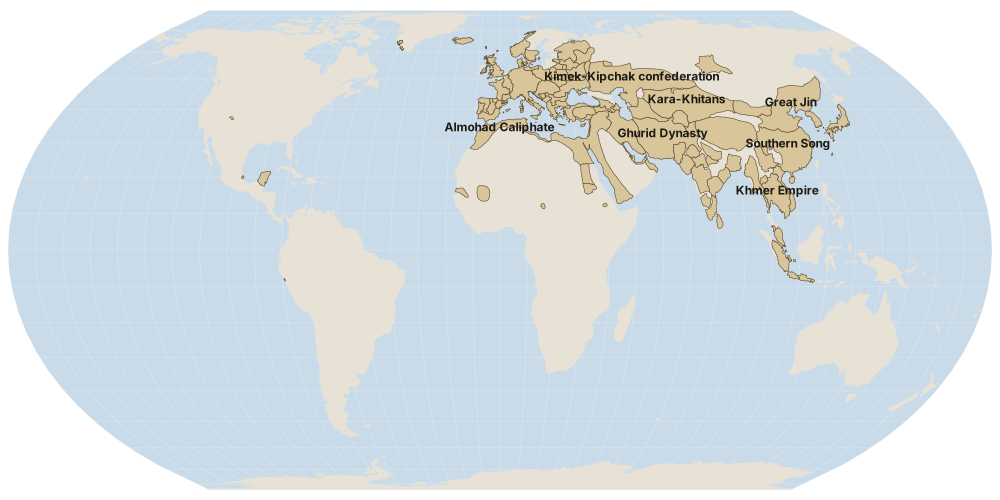
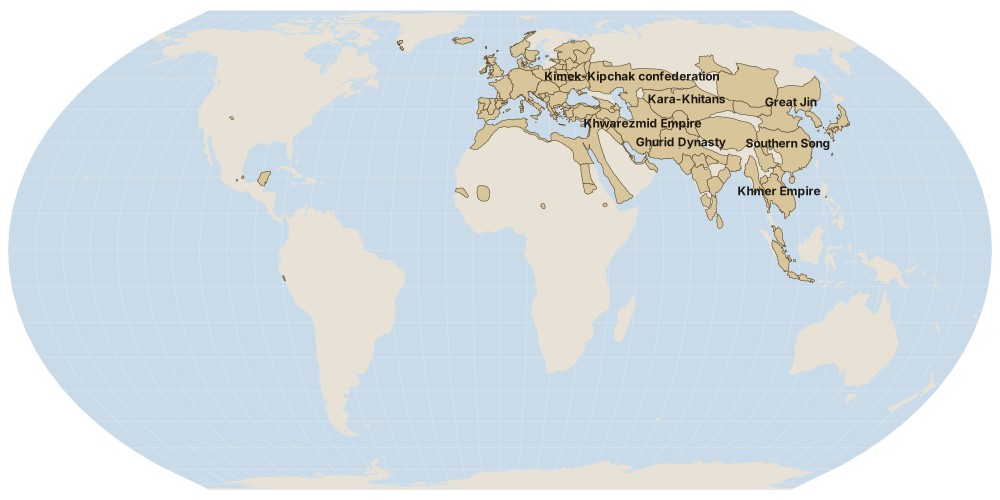
    Jin and Southern Song divide China, the Ayyubids rule Egypt and Syria, and Khwarazm and the Ghurids hold Central Asia.

    Next story1206 · Genghis Khan
  64. Story 53 of 104 · Caliphates, khans and kingdoms

    East Asia and the Pacific

    Genghis Khan

    Temüjin is proclaimed Genghis Khan, uniting the Mongol tribes. Within two decades his armies would take the Jin capital, destroy the Khwarazmian Empire and overrun much of Central Asia.

    Next story1258 · The Mongols take Baghdad
  65. Story 54 of 104 · Caliphates, khans and kingdoms

    Middle East and Central Asia

    The Mongols take Baghdad

    Mongol armies sack Baghdad and end the Abbasid Caliphate, then push into Syria. Mamluk Egypt is the main state left in the Middle East.

    Next story1279 · The Mongol Empire
  66. Story 55 of 104 · Caliphates, khans and kingdoms

    East Asia and the Pacific

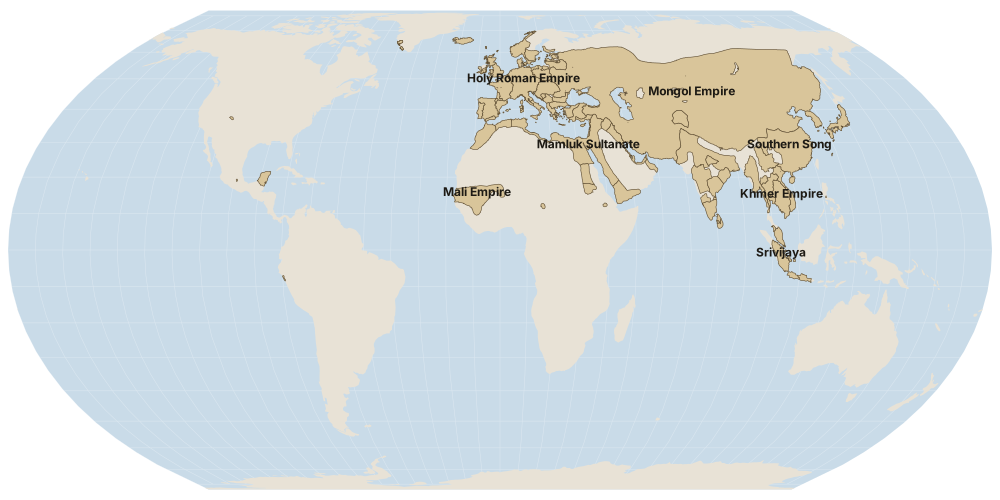
    The Mongol Empire

    The Mongol Empire covers, by common estimates, some 24 million square kilometres, from Korea to Hungary, the largest contiguous land empire there has ever been. Mamluk Egypt and the Mali Empire are among the few large states beyond it.

    Next story1300 · The Ottomans and Mali
  67. Story 56 of 104 · Caliphates, khans and kingdoms

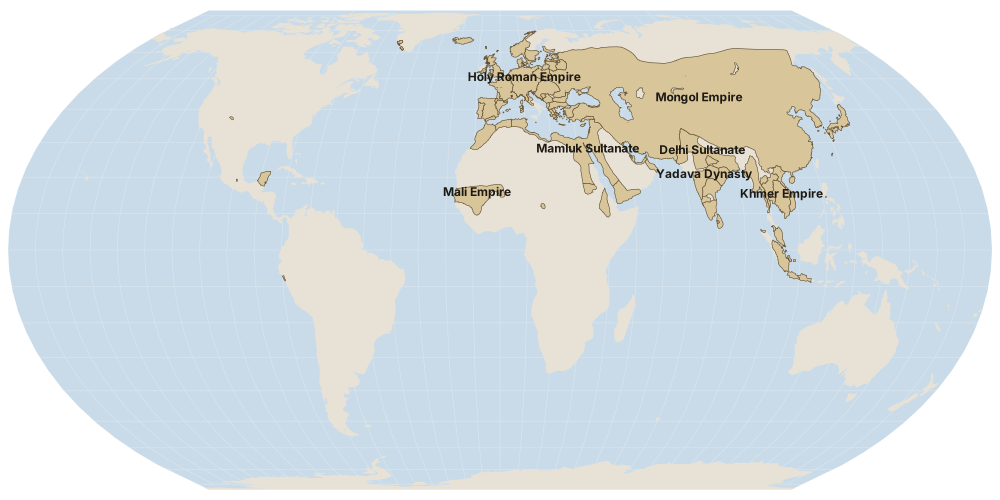
    Middle East and Central Asia

    The Ottomans and Mali

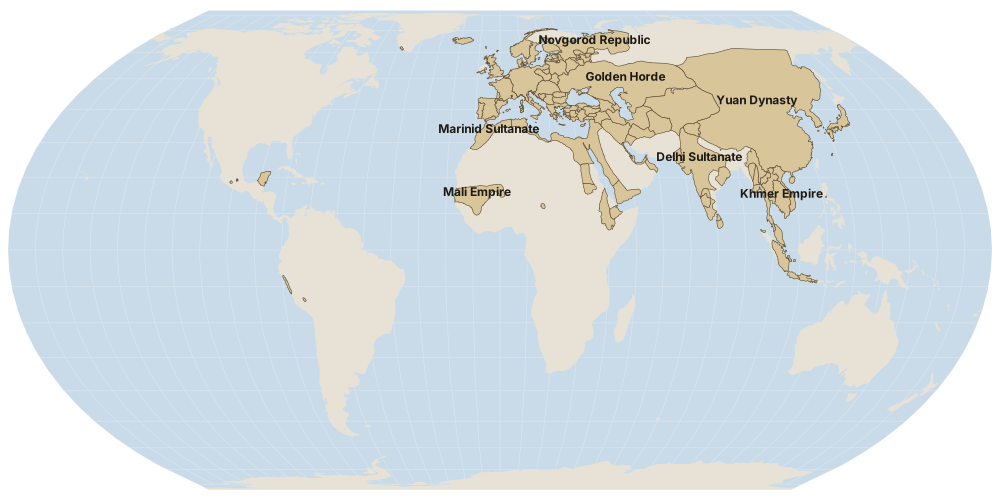
    The Ottoman state is growing in north-west Anatolia, while the Mali Empire controls West Africa's gold trade. The Yuan dynasty rules China.

    Next story1350 · After the Black Death
  68. Story 57 of 104 · Caliphates, khans and kingdoms

    Europe

    After the Black Death

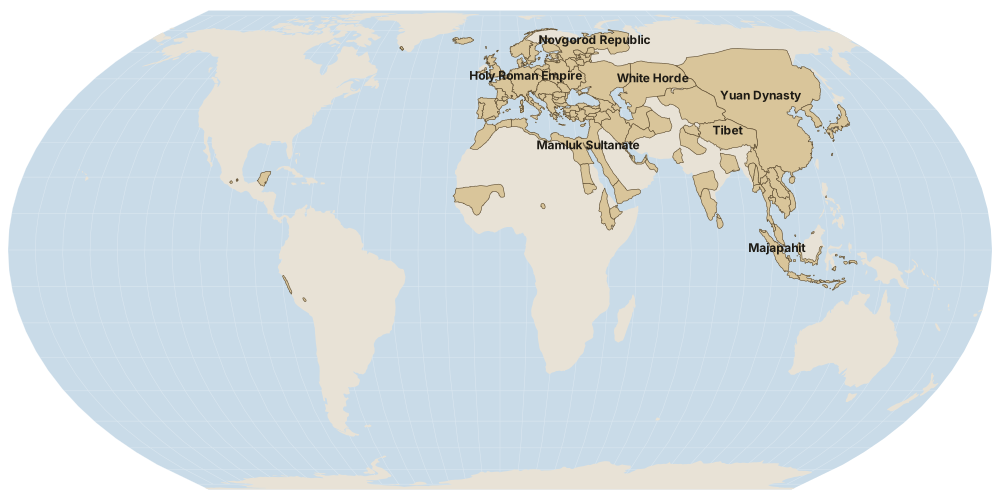
    The Black Death has killed a large share of Europe's people, and the Hundred Years' War is raging between England and France. The Ottomans are about to cross into Europe.

    Next story1368 · The Ming dynasty
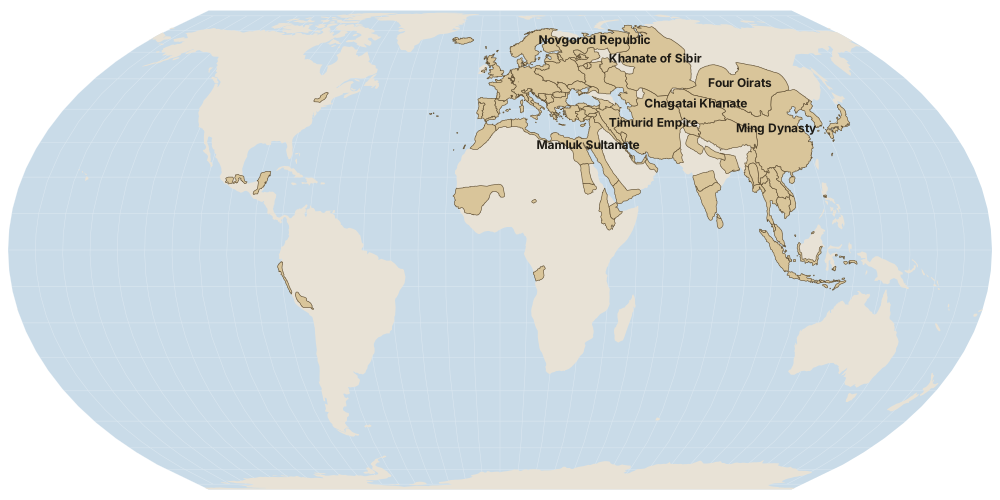
  69. Story 58 of 104 · Caliphates, khans and kingdoms

    East Asia and the Pacific

    The Ming dynasty

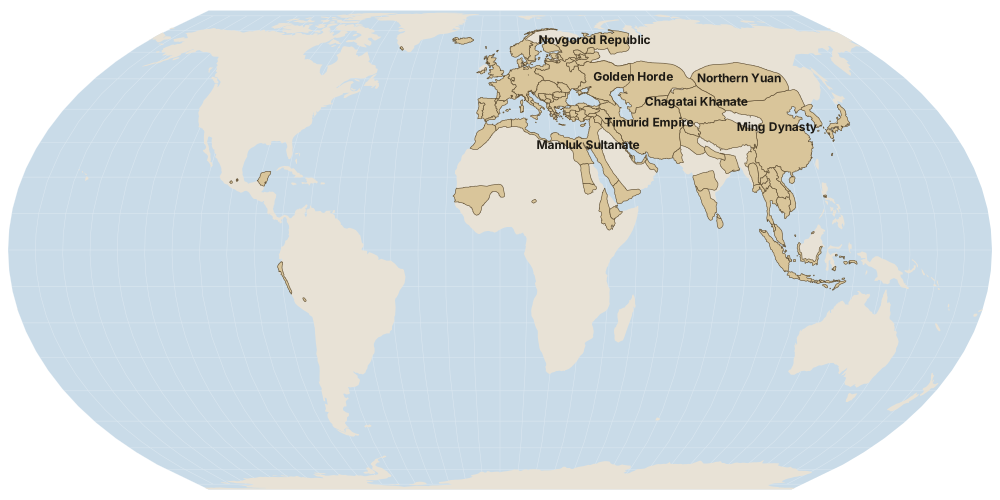
    Zhu Yuanzhang overthrows the Mongol Yuan dynasty and founds the Ming. In Central Asia, Timur's power is rising around Samarkand.

    Next story1400 · After the Mongols
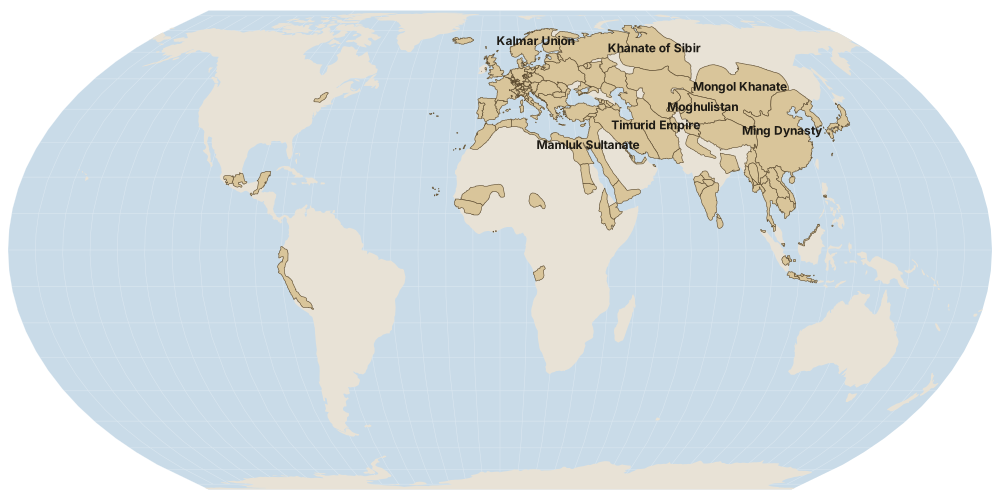
  70. Story 59 of 104 · Caliphates, khans and kingdoms

    Middle East and Central Asia

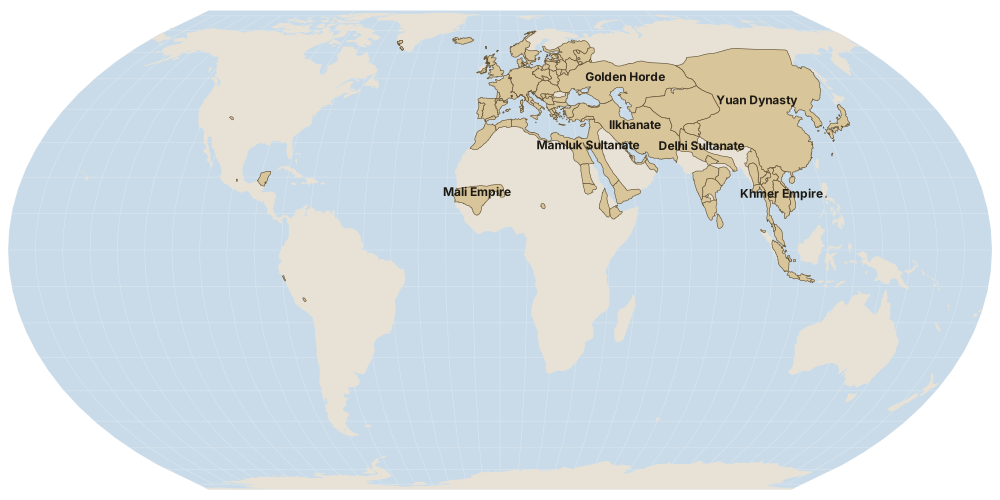
    After the Mongols

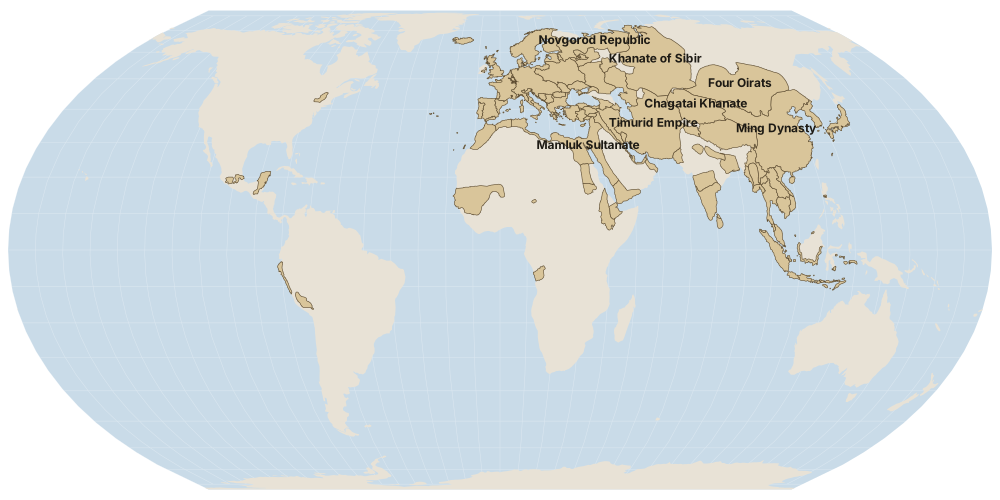
    The Mongol realm has broken into the Golden Horde and other khanates. Ming China and Timur's empire are the new great powers.

    Next story1450 · Great Zimbabwe and Songhai
  71. Story 60 of 104 · Caliphates, khans and kingdoms

    Africa

    Great Zimbabwe and Songhai

    Great Zimbabwe's stone city is at its height, and the Songhai Empire is growing along the Niger. In Europe the Ottomans are advancing on Constantinople, and Portugal is exploring the African coast.

    Next story1453 · Constantinople falls
  72. Story 61 of 104 · Caliphates, khans and kingdoms

    Europe

    Constantinople falls

    The Ottoman Empire takes Constantinople and ends the Byzantine Empire. The Ottomans now hold Anatolia and the Balkans, and the Mamluks rule Egypt and Syria.

    Next story1492 · Columbus reaches the Americas
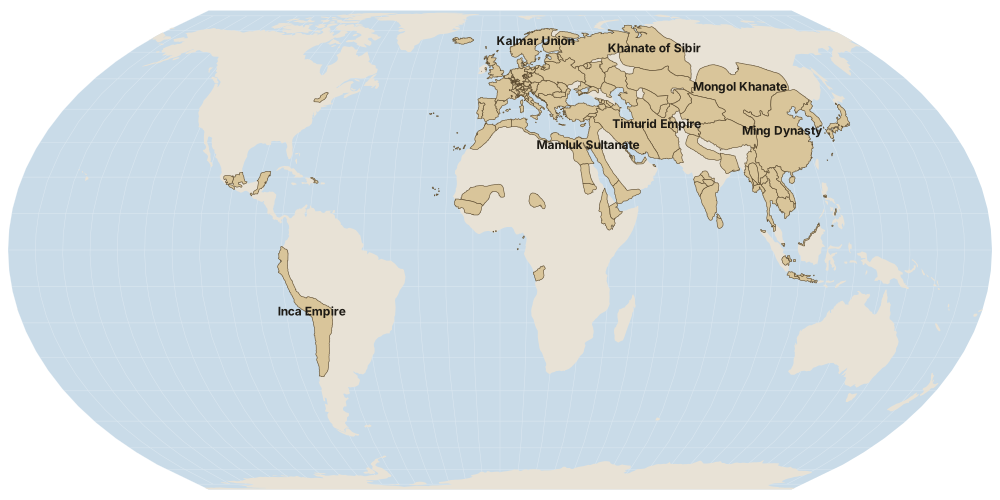
  73. Story 62 of 104 · Caliphates, khans and kingdoms

    Americas

    Columbus reaches the Americas

    Columbus lands in the Caribbean, starting Spain's contact with the Americas. The Aztec Empire rules central Mexico and the Inca Empire rules the Andes, both untouched by Europeans.

    Next story1500 · The eve of global empires
  74. Chapter IV

    Global empires

    23 stories in this chapter

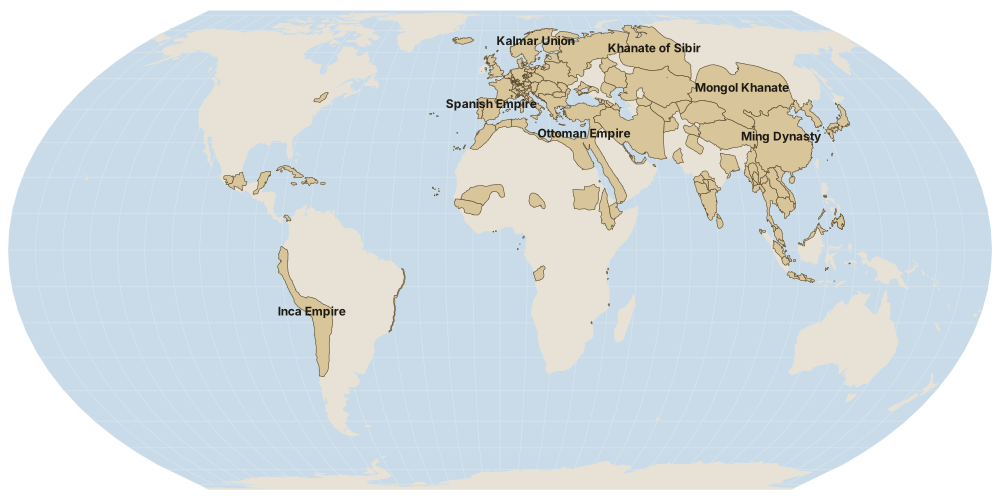
  75. Story 63 of 104 · Global empires

    Americas

    The eve of global empires

    The Inca and Aztec empires rule much of the Americas. In Eurasia, Moscow grows, the Ottomans hold the Balkans and Anatolia, and the Ming rule China.

    Next story1521 · The Aztec empire falls
  76. Story 64 of 104 · Global empires

    Americas

    The Aztec empire falls

    Hernán Cortés and his Tlaxcalan allies take Tenochtitlan, ending the Aztec Empire. The Inca Empire is still independent and powerful in the Andes.

    Next story1550 · Trading posts and empires
  77. Story 65 of 104 · Global empires

    Africa

    Trading posts and empires

    Portugal has forts and trading posts along Africa's coasts and in India, and the Ottomans hold the North African coast. The Songhai Empire is still powerful inland.

    Next story1600 · The first global empire
  78. Story 66 of 104 · Global empires

    Americas

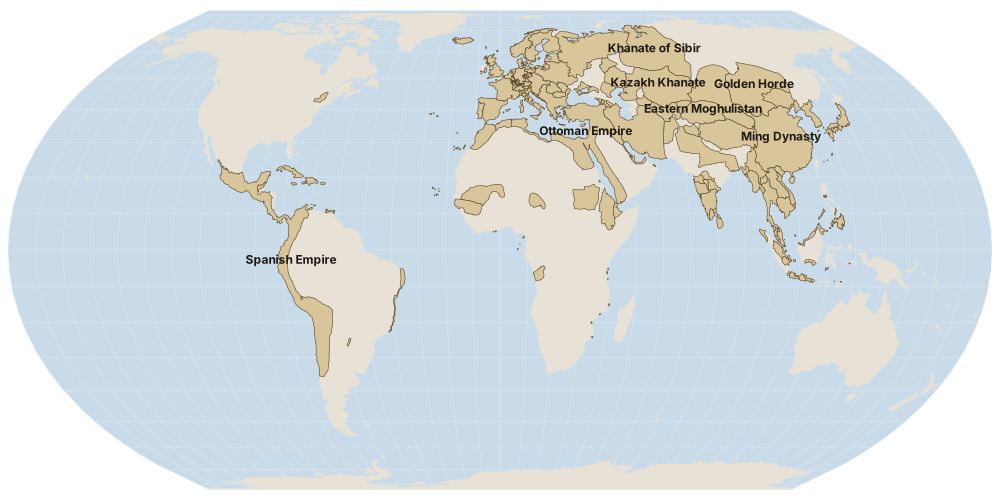
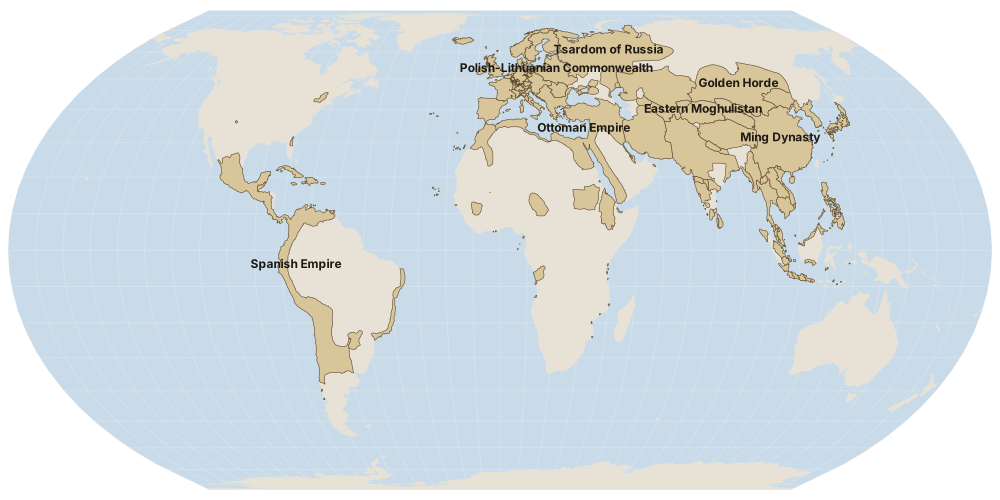
    The first global empire

    Spain rules most of Central and South America and the Philippines. Russia expands into Siberia, and the Ottoman and Mughal empires are great powers.

    Next story1648 · The Peace of Westphalia
  79. Story 67 of 104 · Global empires

    Europe

    The Peace of Westphalia

    The Thirty Years' War ends with treaties that confirm the German princes' rights over their own lands and recognise the independence of the Dutch Republic. The Qing have taken Beijing and the Mughal Empire is near its height in India.

    Next story1700 · Russia and the Qing
  80. Story 68 of 104 · Global empires

    East Asia and the Pacific

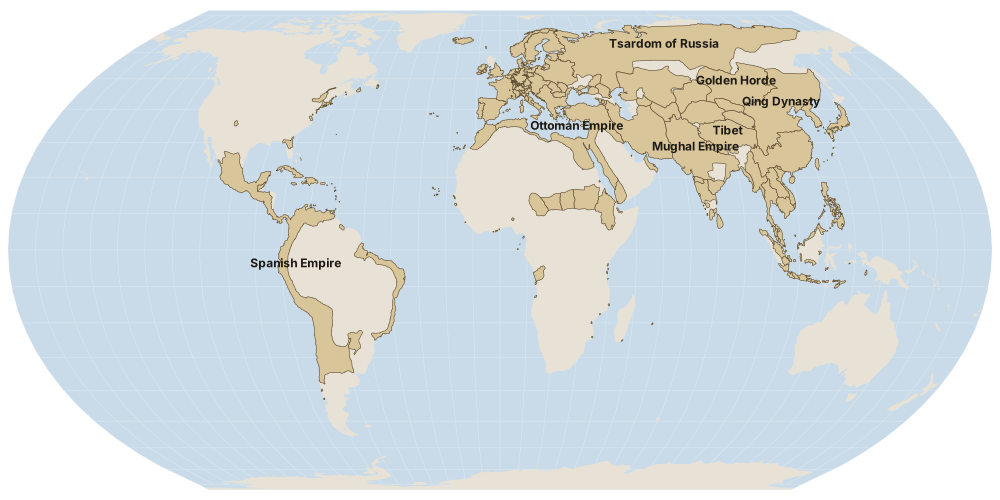
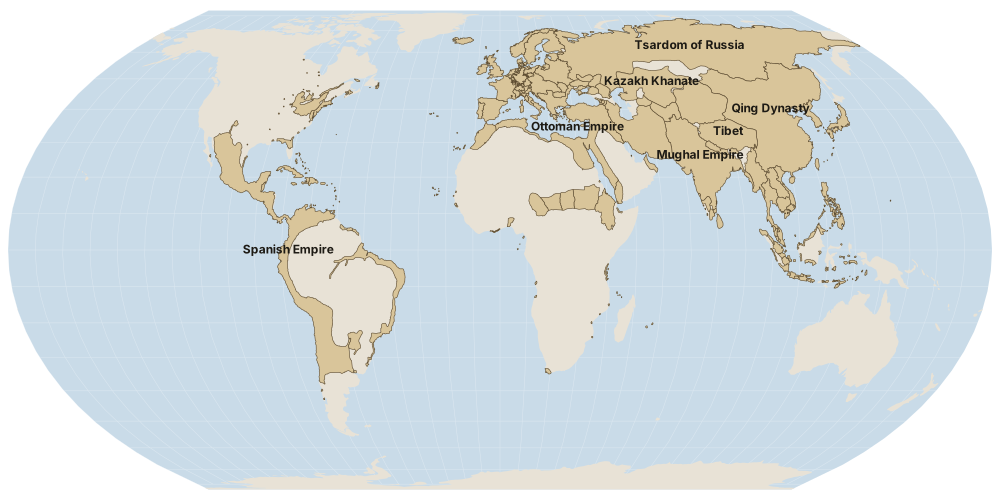
    Russia and the Qing

    Russia now stretches to the Pacific, and the Manchu Qing have conquered China. The Mughals rule almost all of India.

    Next story1763 · After the Seven Years' War
  81. Story 69 of 104 · Global empires

    Americas

    After the Seven Years' War

    The Treaty of Paris gives Britain Canada and most of France's North American lands. In India, Britain now controls Bengal and the Mughal Empire is in decline.

    Next story1783 · The United States is recognized
  82. Story 70 of 104 · Global empires

    Americas

    The United States is recognized

    The Treaty of Paris recognizes the United States, with its western border at the Mississippi. Spain holds Florida and Louisiana, and Britain keeps Canada.

    Next story1789 · The French Revolution
  83. Story 71 of 104 · Global empires

    Europe

    The French Revolution

    The Estates-General meets in Versailles and Paris storms the Bastille. The great empires of Europe still look much as they did.

    Next story1800 · Revolutions and colonies
  84. Story 72 of 104 · Global empires

    Americas

    Revolutions and colonies

    The United States has won independence, but Spain and Portugal still rule most of South America. Britain's East India Company rules large parts of India.

    Next story1804 · Haiti becomes independent
  85. Story 73 of 104 · Global empires

    Americas

    Haiti becomes independent

    Haiti declares independence from France, the first state in the Americas founded by people who had been enslaved. Napoleon crowns himself emperor of France.

    Next story1815 · The Congress of Vienna
  86. Story 74 of 104 · Global empires

    Europe

    The Congress of Vienna

    After Napoleon's defeat, the great powers redraw Europe at Vienna. Most of Poland goes to Russia, Belgium is joined to the Netherlands, and Norway to Sweden.

    Next story1821 · Latin America breaks from Spain
  87. Story 75 of 104 · Global empires

    Americas

    Latin America breaks from Spain

    Mexico and Peru have won independence from Spain, and most of Spanish South America is in revolt. Brazil is still a kingdom under Portugal, and Greece is fighting the Ottomans.

    Next story1830 · Belgium and Greece become states
  88. Story 76 of 104 · Global empires

    Europe

    Belgium and Greece become states

    Belgium breaks from the Netherlands and Greece gains independence from the Ottomans. France has taken Algiers.

    Next story1850 · The Taiping and the Qing in crisis
  89. Story 77 of 104 · Global empires

    East Asia and the Pacific

    The Taiping and the Qing in crisis

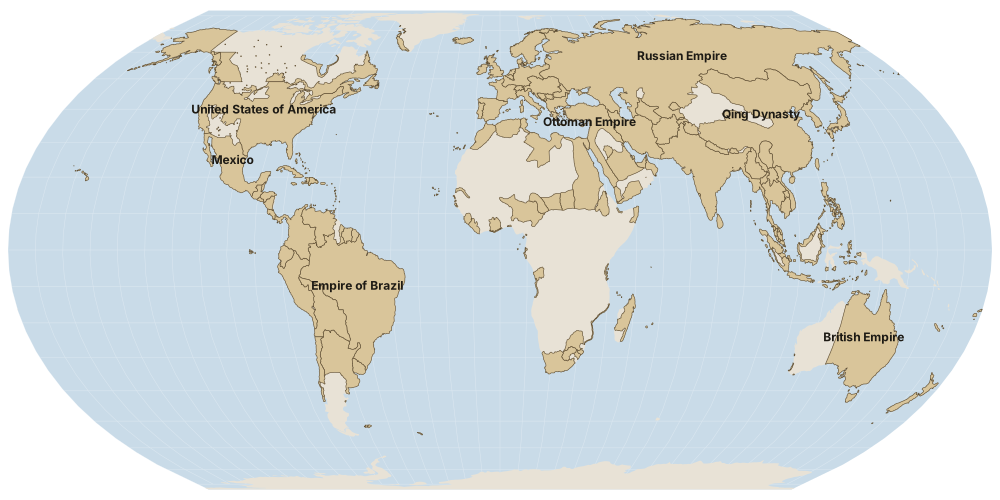
    The Taiping Rebellion is breaking out in southern China; within a few years it would hold much of the Yangtze valley. Russia is pressing on the Amur border, and Britain rules India.

    Next story1871 · Germany and Italy unite
  90. Story 78 of 104 · Global empires

    Europe

    Germany and Italy unite

    Prussia has created the German Empire, and Italy is united with Rome as its capital. France has lost Alsace-Lorraine after the Franco-Prussian War.

    Next story1880 · The age of nation-states
  91. Story 79 of 104 · Global empires

    Americas

    The age of nation-states

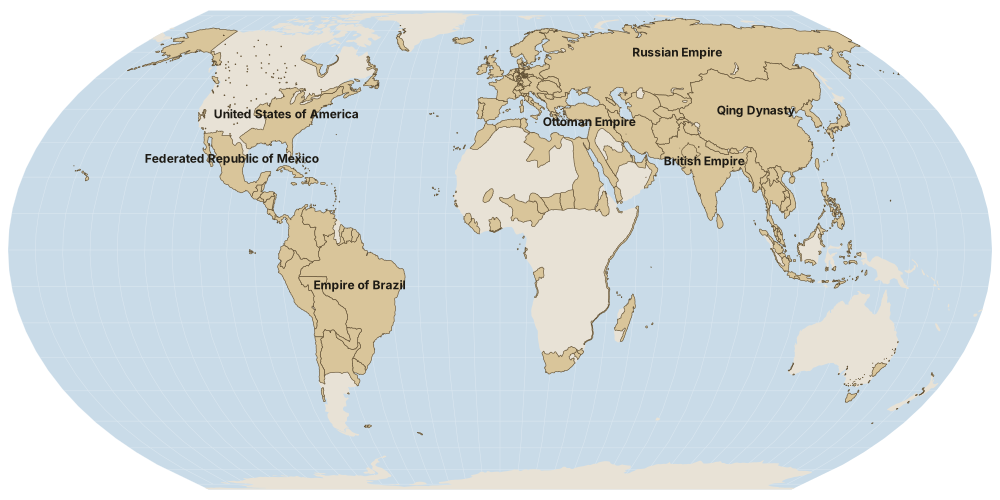
    Latin America is a patchwork of independent republics, the US reaches the Pacific, and Britain rules India. Most of Africa is not yet colonised.

    Next story1884 · The scramble for Africa
  92. Story 80 of 104 · Global empires

    Africa

    The scramble for Africa

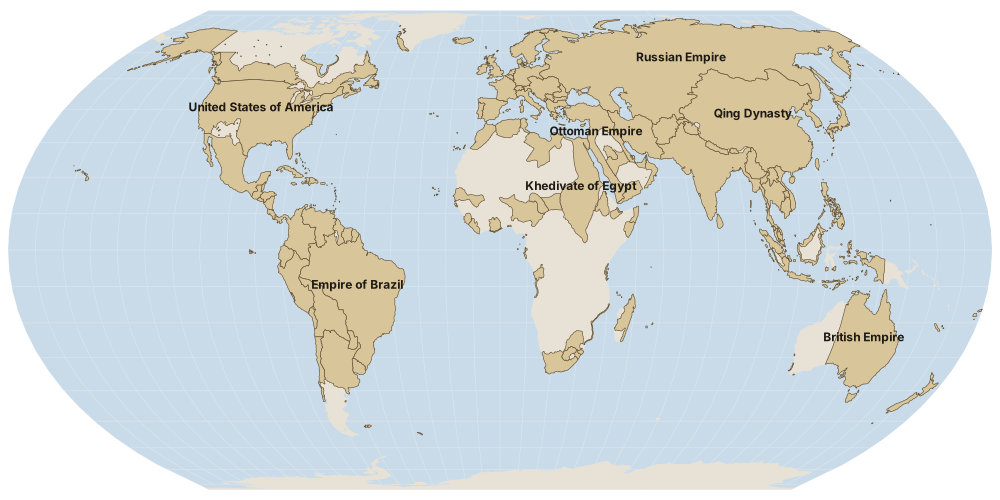
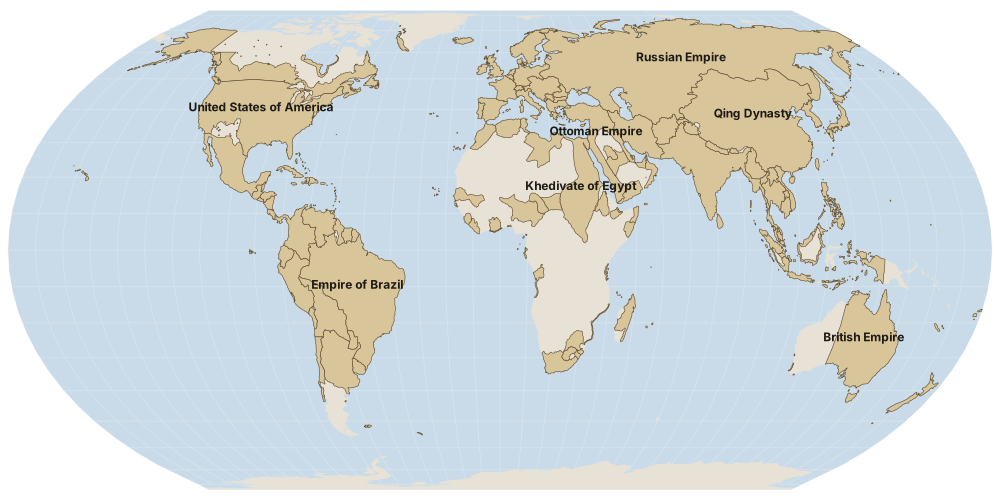
    Europe's powers meet in Berlin to divide Africa among themselves. Within thirty years almost the whole continent is colonized, with only Liberia and Ethiopia still independent.

    Next story1898 · The Spanish-American War
  93. Story 81 of 104 · Global empires

    Americas

    The Spanish-American War

    The United States defeats Spain and takes Puerto Rico, Guam and the Philippines, and annexes Hawaii. Cuba is freed from Spain and comes under US military occupation.

    Next story1900 · The Boxer Rebellion
  94. Story 82 of 104 · Global empires

    East Asia and the Pacific

    The Boxer Rebellion

    Boxer rebels attack foreign legations in Beijing, and an eight-nation force occupies the city. Japan has held Taiwan since 1895 and is the rising power in Korea.

    Next story1910 · Korea is annexed
  95. Story 83 of 104 · Global empires

    East Asia and the Pacific

    Korea is annexed

    Japan annexes Korea, ending the Joseon dynasty. In Mexico the revolution against Porfirio Díaz has just begun.

    Next story1911 · China becomes a republic
  96. Story 84 of 104 · Global empires

    East Asia and the Pacific

    China becomes a republic

    The Xinhai Revolution breaks out against the Qing dynasty; the last emperor abdicates in early 1912, ending two thousand years of imperial rule. Mongolia declares independence.

    Next story1912 · The Balkan Wars
  97. Story 85 of 104 · Global empires

    Europe

    The Balkan Wars

    The Balkan League has driven the Ottomans out of most of the Balkans, and Italy has taken Libya. The Ottomans keep Istanbul and eastern Thrace.

    Next story1914 · The colonial world
  98. Chapter V

    A world of nations

    19 stories in this chapter

  99. Story 86 of 104 · A world of nations

    Africa

    The colonial world

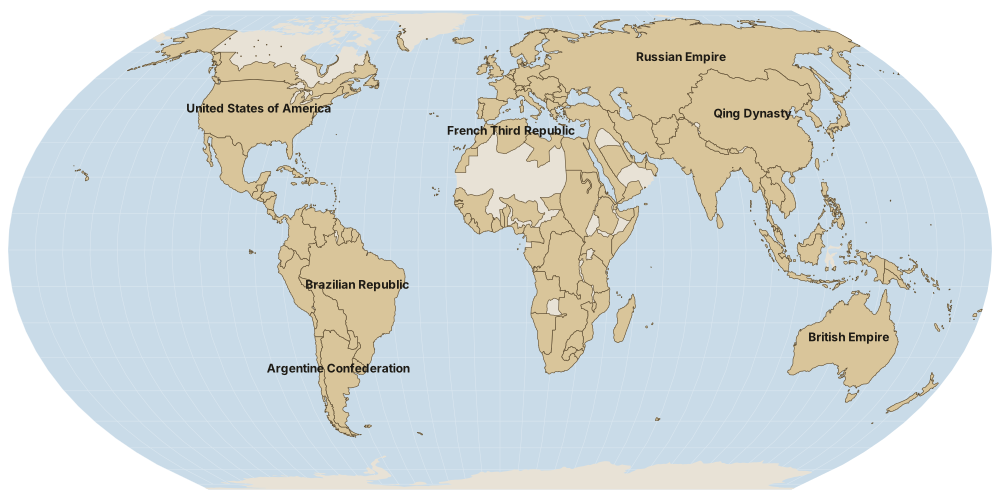
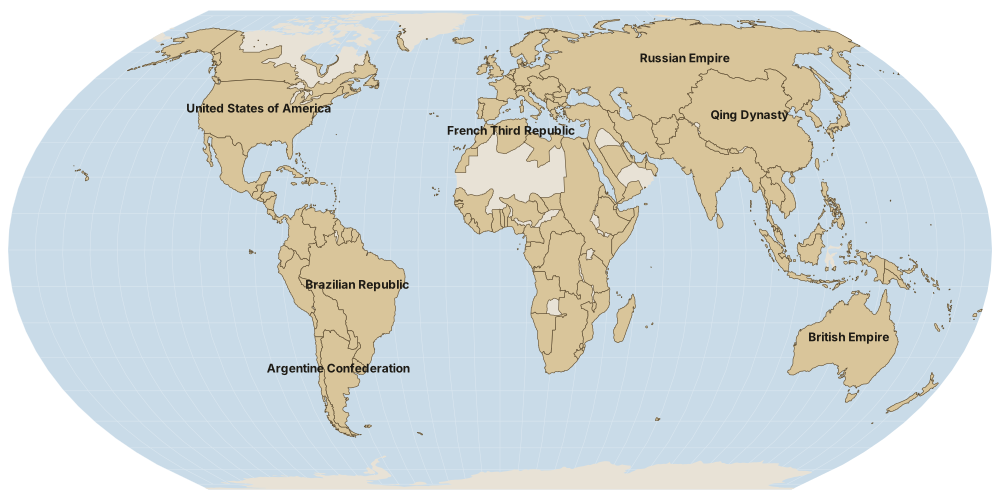
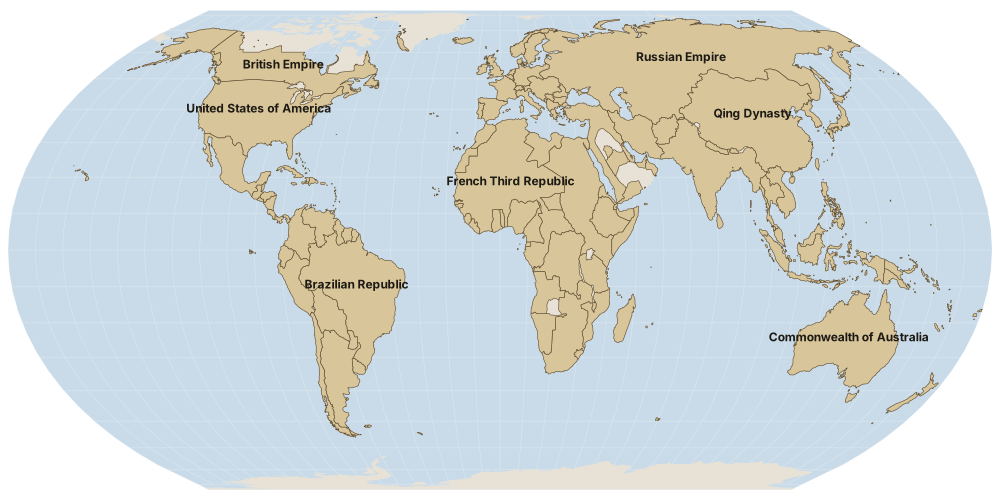
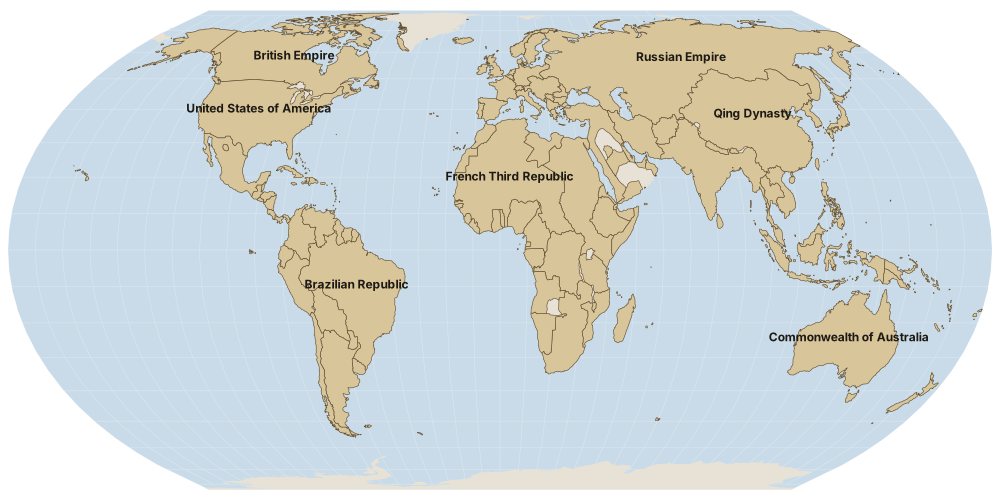
    European empires rule almost all of Africa and much of Asia. The British Empire alone covers more than a fifth of the world's land.

    Next story1918 · The empires fall
  100. Story 87 of 104 · A world of nations

    Europe

    The empires fall

    The First World War ends. The German and Austro-Hungarian empires have fallen, the Ottoman Empire is breaking up, and the Russian Empire has become the Soviet state. New states from Poland to Czechoslovakia appear on the map.

    Next story1922 · The Soviet Union is founded
  101. Story 88 of 104 · A world of nations

    Europe

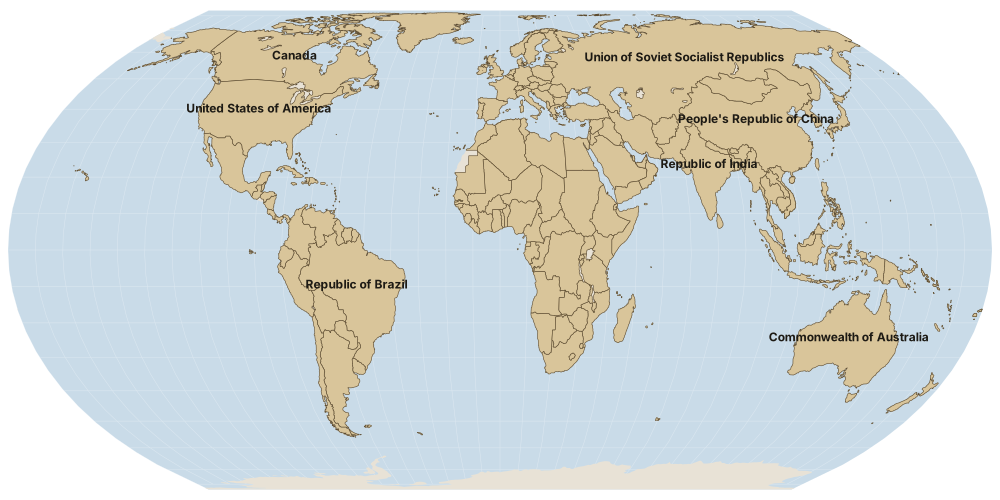
    The Soviet Union is founded

    The Soviet Union is formed from the former Russian Empire, and the Irish Free State is created. Turkey's war of independence is nearly over.

    Next story1938 · Between the wars
  102. Story 89 of 104 · A world of nations

    Europe

    Between the wars

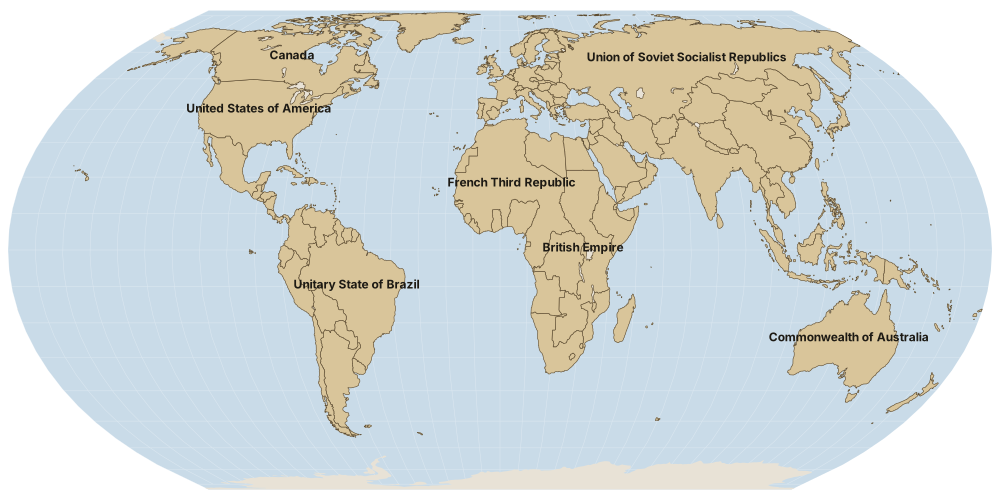
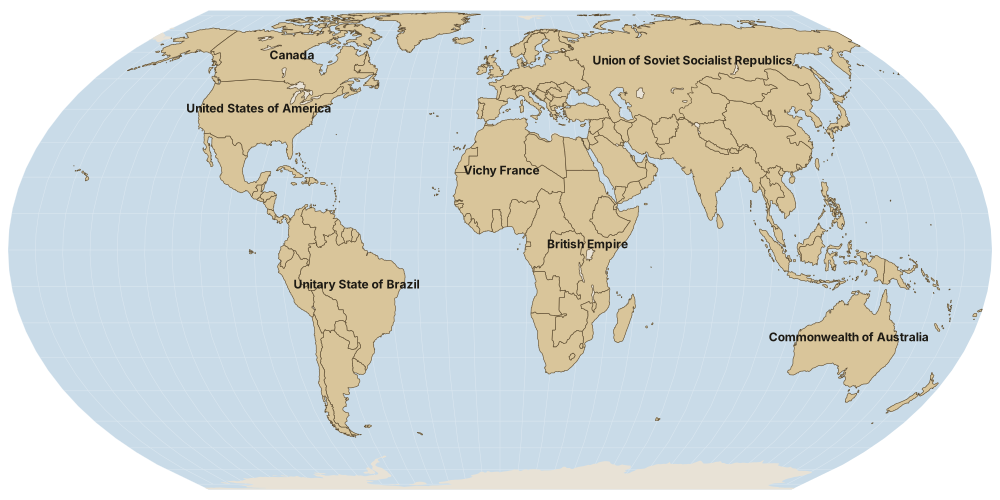
    The Soviet Union has replaced the Russian Empire, and new states fill central Europe. Britain and France still hold large colonial empires.

    Next story1942 · The Axis at its height
  103. Story 90 of 104 · A world of nations

    East Asia and the Pacific

    The Axis at its height

    Japan controls much of Southeast Asia and the Pacific, and Germany holds most of Europe. Axis armies are reaching the Caucasus and the Egyptian border.

    Next story1945 · The end of the Second World War
  104. Story 91 of 104 · A world of nations

    Europe

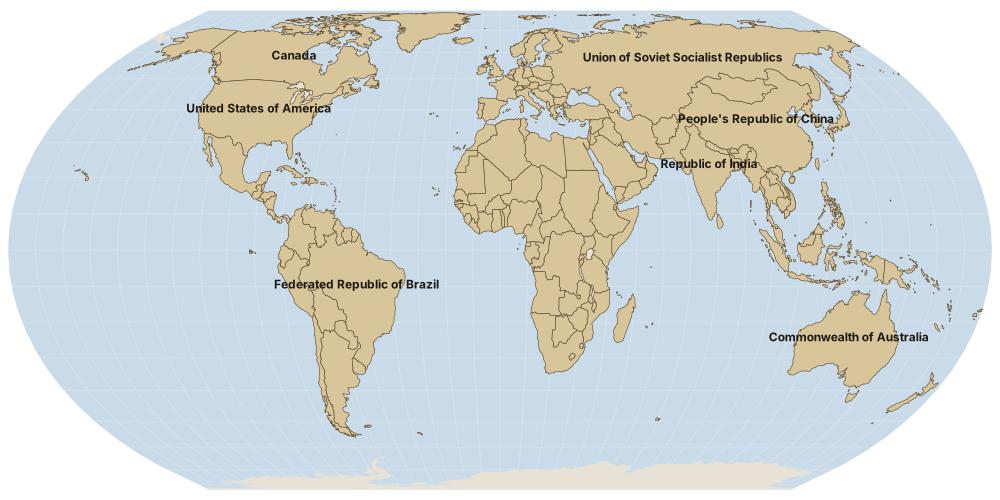
    The end of the Second World War

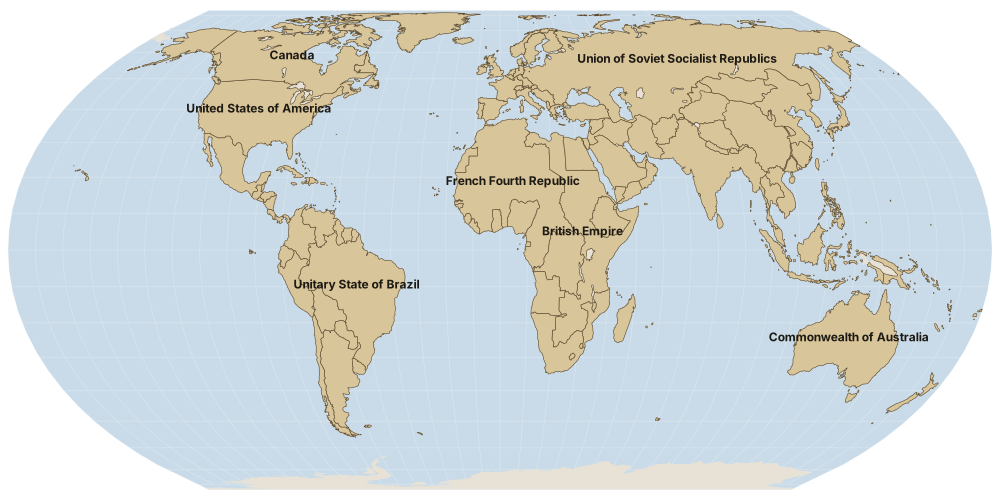
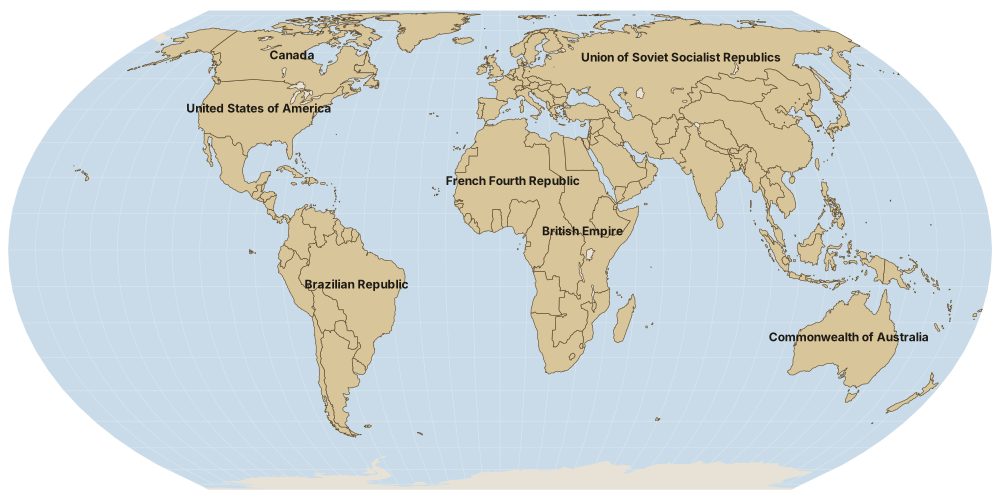
    Germany surrenders and Japan follows after the atomic bombings. The Soviet Union holds eastern and central Europe, and the United Nations is founded in San Francisco.

    Next story1947 · India and Pakistan
  105. Story 92 of 104 · A world of nations

    South and Southeast Asia

    India and Pakistan

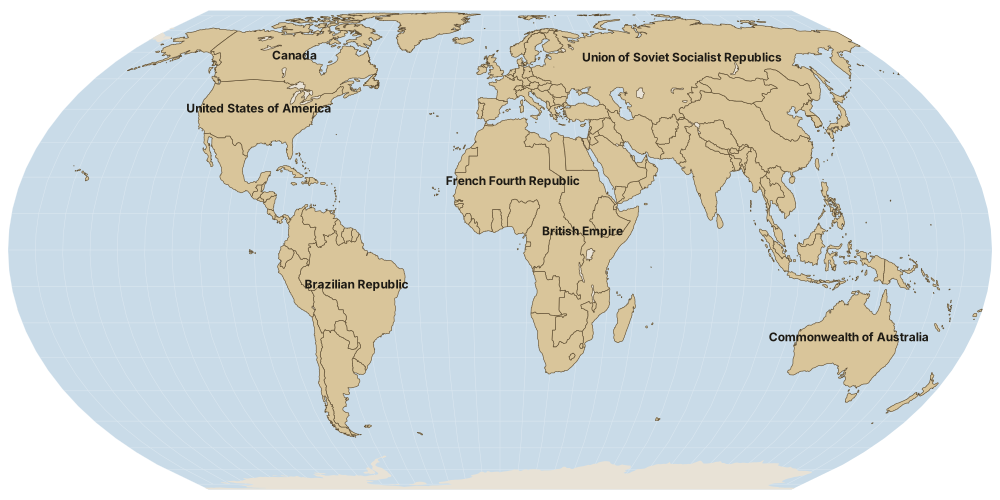
    British India is split into two states, India and Pakistan, as the British leave. Millions of people cross the new borders in one of the largest migrations of the century.

    Next story1948 · Israel is founded
  106. Story 93 of 104 · A world of nations

    Middle East and Central Asia

    Israel is founded

    Israel declares independence, and the war with its Arab neighbours leads to a new map of Palestine. Jordan takes the West Bank and Egypt holds Gaza.

    Next story1949 · The People's Republic of China
  107. Story 94 of 104 · A world of nations

    East Asia and the Pacific

    The People's Republic of China

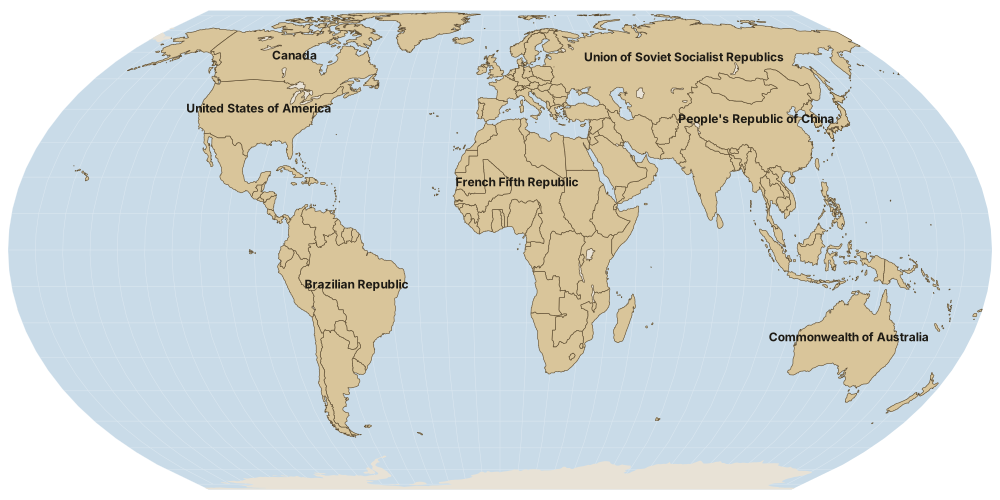
    The Communists proclaim the People's Republic of China, and the Nationalists retreat to Taiwan. Korea remains divided.

    Next story1960 · The year of Africa
  108. Story 95 of 104 · A world of nations

    Africa

    The year of Africa

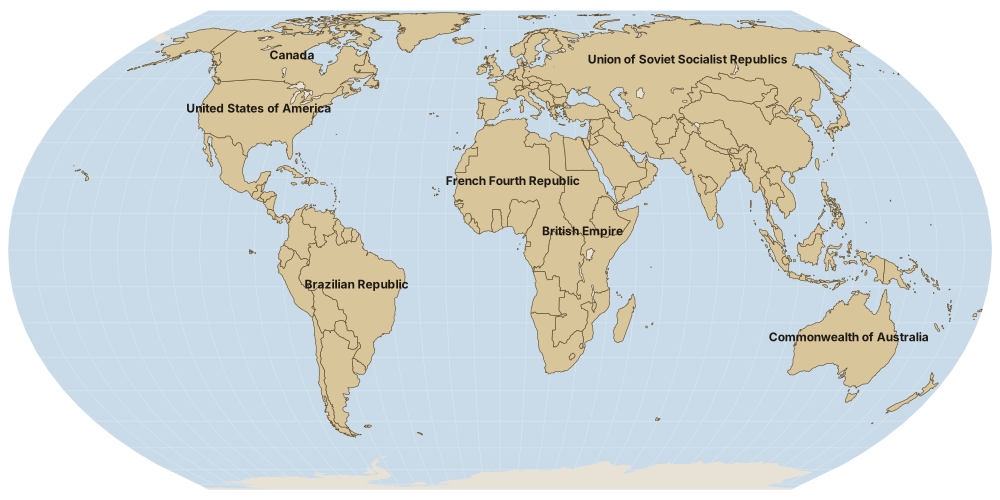
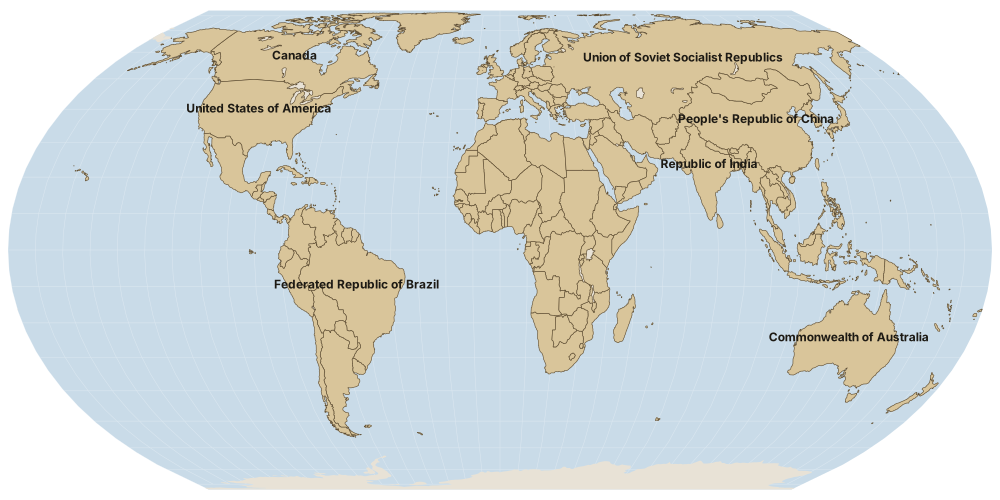
    Seventeen African countries become independent in 1960 alone. India, Pakistan and Indonesia are independent, and China is now a people's republic.

    Next story1971 · Bangladesh is born
  109. Story 96 of 104 · A world of nations

    South and Southeast Asia

    Bangladesh is born

    East Pakistan becomes the independent state of Bangladesh after a war with West Pakistan and India. Pakistan is left with its western half.

    Next story1975 · Portugal's empire ends
  110. Story 97 of 104 · A world of nations

    Africa

    Portugal's empire ends

    Angola, Mozambique and Cape Verde become independent after the Portuguese revolution of 1974. Civil war soon breaks out in Angola.

    Next story1991 · The Soviet Union ends
  111. Story 98 of 104 · A world of nations

    Europe

    The Soviet Union ends

    The Soviet Union is dissolved and its republics become independent states, from the Baltic to Central Asia. Yugoslavia is breaking apart, with war in Croatia and Bosnia still ahead.

    Next story1994 · After the Cold War
  112. Story 99 of 104 · A world of nations

    Europe

    After the Cold War

    The Soviet Union has broken into fifteen countries and Yugoslavia into several. Germany is reunited, and South Africa holds its first all-race election.

    Next story2002 · East Timor is independent
  113. Story 100 of 104 · A world of nations

    East Asia and the Pacific

    East Timor is independent

    East Timor becomes an independent state after more than twenty years of Indonesian rule and a UN-led transition.

    Next story2006 · Montenegro becomes independent
  114. Story 101 of 104 · A world of nations

    Europe

    Montenegro becomes independent

    Montenegro votes to leave the state union with Serbia and becomes an independent country.

    Next story2008 · Kosovo declares independence
  115. Story 102 of 104 · A world of nations

    Europe

    Kosovo declares independence

    Kosovo declares independence from Serbia. Many countries recognize it, but Serbia does not.

    Next story2011 · South Sudan becomes independent
  116. Story 103 of 104 · A world of nations

    Africa

    South Sudan becomes independent

    South Sudan becomes the world's newest country after a referendum in 2011. It joins a map that has changed little in Africa since the 1990s.

    Next story2024 · The world today
  117. Story 104 of 104 · A world of nations

    Africa

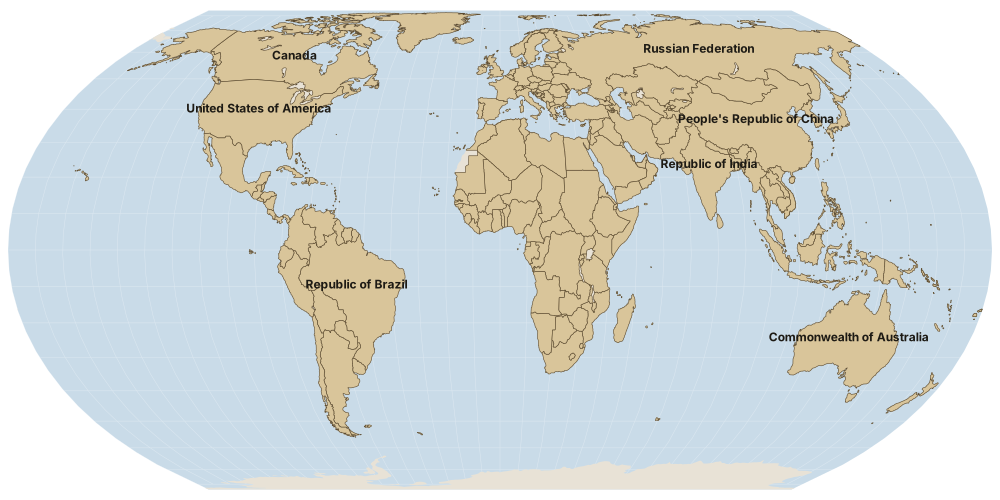
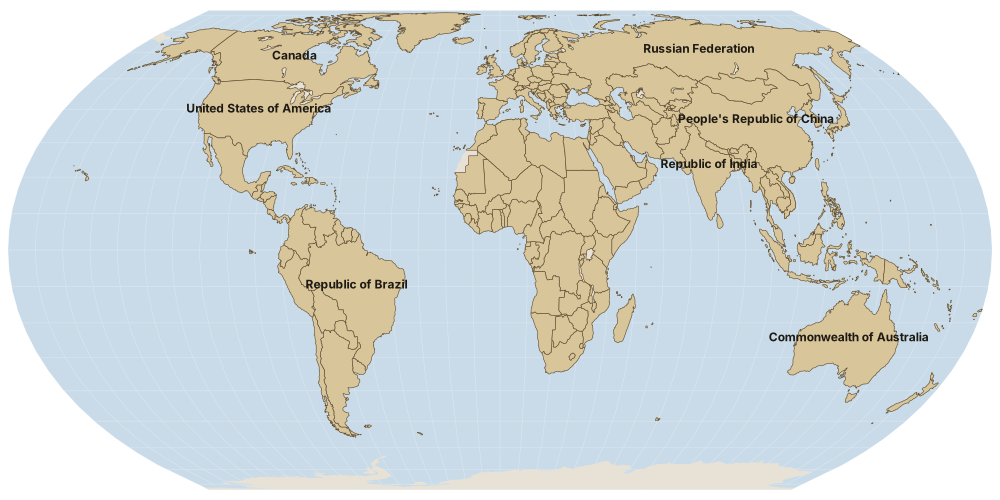
    The world today

    Around 190 states cover almost all of the world's land, from Russia, the largest, to small island nations. South Sudan, independent since 2011, is the newest.

    NextJourney's end

Journey complete

You travelled 5,223 years

104 stories, 3200 BC to 2024. More maps are being researched and added.

Choose another journeyBack to the start